


LED signs have revolutionised how businesses communicate with customers, offering unmatched visibility, flexibility, and energy efficiency compared to traditional signage. From small retail displays to massive outdoor billboards, light-emitting diode technology has become the cornerstone of modern advertising and wayfinding solutions. These digital displays combine programmable content capabilities with long-lasting illumination, making them an essential investment for businesses seeking to maximise their visual impact whilst minimising operational costs. Understanding the technology, applications, and regulatory landscape surrounding LED signs empowers business owners to make informed decisions about their signage investments.
Understanding LED Sign Technology
LED signs utilise thousands or millions of tiny light-emitting diodes arranged in a matrix to create images, text, and video content. Each diode emits light when electrical current passes through it, with different materials producing various colours. Modern full-colour displays use red, green, and blue (RGB) LEDs in tight clusters, allowing for millions of colour combinations through additive colour mixing.
The resolution of LED signs depends on pixel pitch, which measures the distance between LED clusters. Tighter pixel pitches create smoother images suitable for close viewing distances, whilst wider pitches work well for displays viewed from afar. This scalability makes LED technology adaptable to everything from desktop displays to stadium-sized screens. For a broader look at how these screens are specified and chosen, see our guide to LED screen selection for business applications.
Key Components of LED Signage Systems
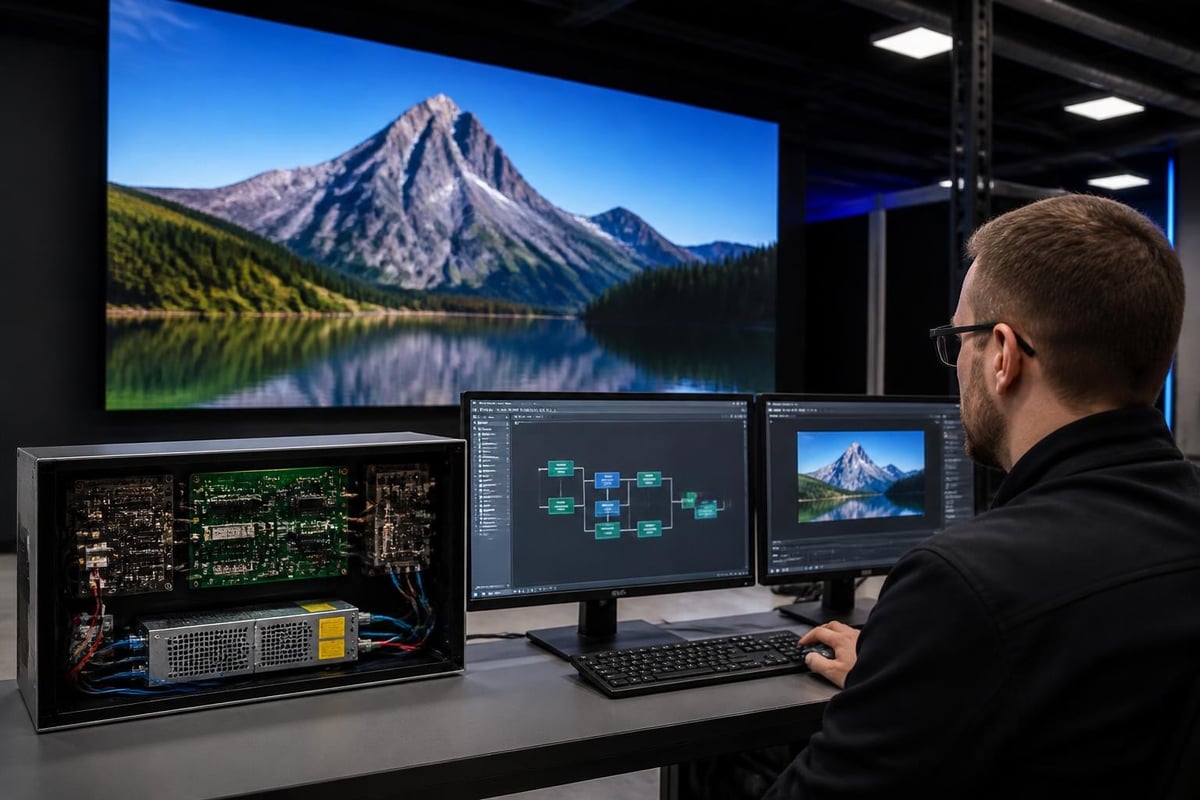
Beyond the LED modules themselves, complete systems require several critical components:
- Controller boards that process input signals and coordinate pixel activation
- Power supplies designed to handle the electrical demands of multiple LEDs
- Cooling systems to dissipate heat and extend component lifespan
- Software platforms for content creation, scheduling, and remote management
- Weatherproofing enclosures for outdoor installations
The integration of these elements determines system reliability and performance. Quality components certified to recognised standards significantly reduce maintenance requirements and ensure consistent operation across varying environmental conditions.
Types of LED Signs for Different Applications
Businesses can choose from numerous LED sign configurations, each optimised for specific purposes and environments. Understanding these categories helps match technology to communication goals.
Programmable Electronic Message Centres
These outdoor-rated displays feature scrolling text and graphics capabilities, ideal for roadside locations where high visibility matters. Moving LED signs offer dynamic content changes throughout the day, allowing businesses to advertise multiple messages, promotions, or real-time information. Many municipalities regulate these displays through brightness limits, animation restrictions, and placement requirements.
Recent research on billboard detection and driver attention highlights the importance of balancing visual impact with road safety considerations. Responsible implementation includes appropriate dwell times, transition speeds, and luminance levels that grab attention without causing distraction.
Indoor LED Video Walls
Large-format indoor displays combine multiple LED panels into seamless video walls for retail environments, corporate lobbies, and event spaces. These installations typically feature finer pixel pitches than outdoor signs, creating cinema-quality images at close viewing distances.
| Display Type | Typical Pixel Pitch | Optimal Viewing Distance | Common Applications |
|---|---|---|---|
| Indoor Fine Pitch | 1.5mm - 3mm | 1.5m - 6m | Retail, Control Rooms, Broadcast |
| Indoor Standard | 3mm - 6mm | 4m - 12m | Lobbies, Conference Rooms, Museums |
| Outdoor Large Format | 10mm - 20mm | 10m - 50m+ | Billboards, Stadiums, Building Facades |
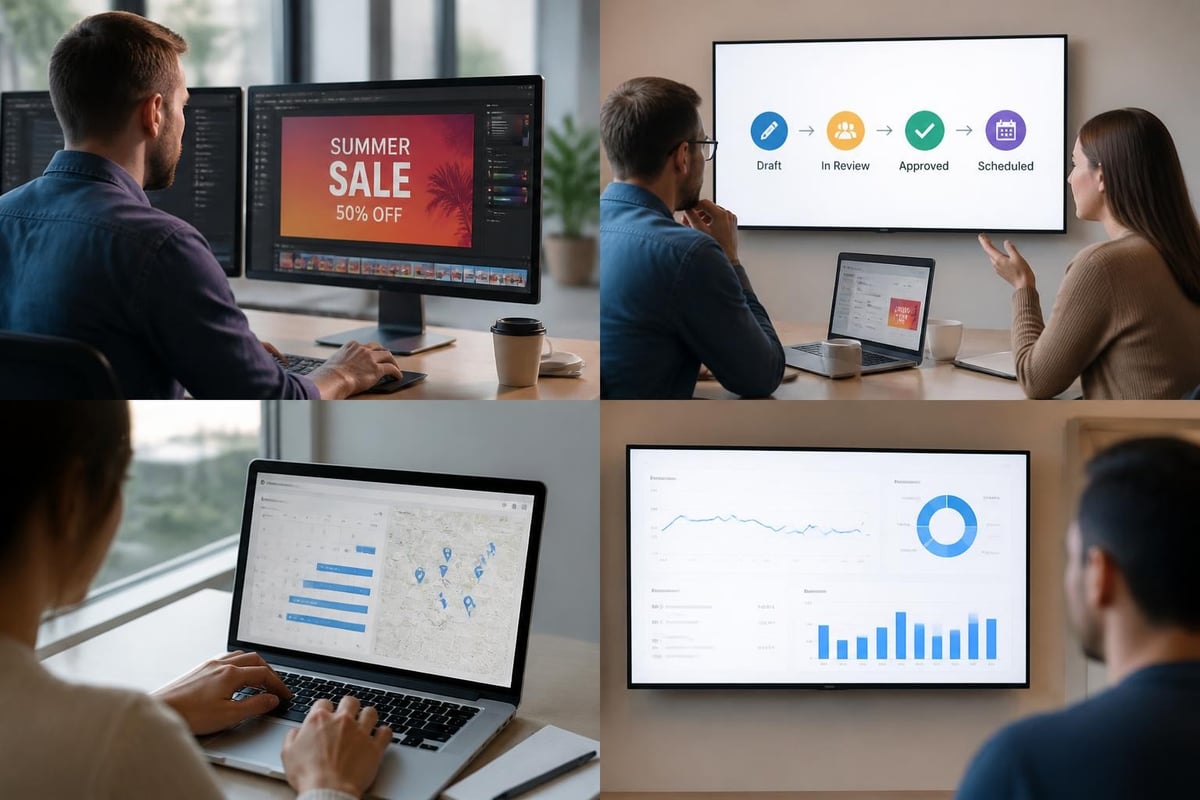
Content management systems enable scheduled programming, ensuring relevant messages reach audiences at optimal times. Integration with data feeds allows dynamic content that responds to inventory levels, weather conditions, or social media activity.
Channel Letter LED Conversions
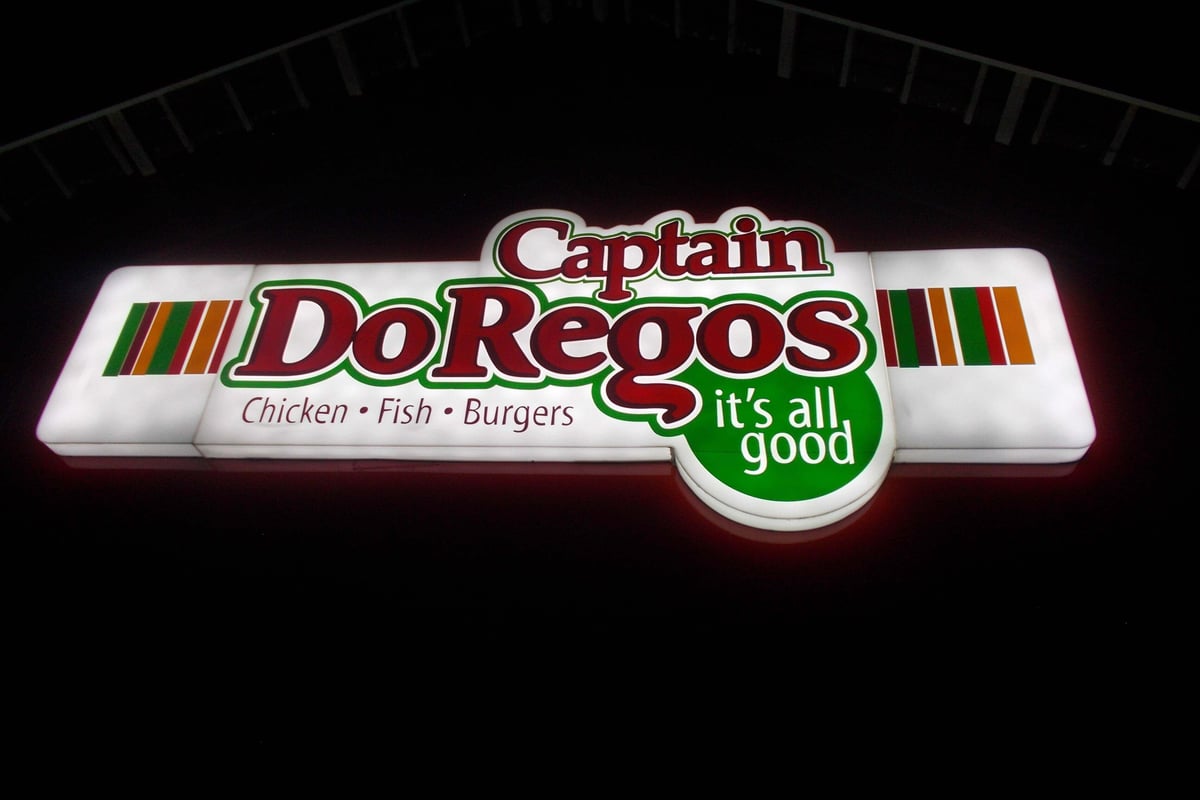
Traditional channel letters increasingly incorporate LED modules rather than neon or fluorescent lighting. This upgrade reduces energy consumption by up to 80% whilst eliminating the fragile glass tubes and high-voltage transformers associated with older technologies.
The Lightbox Signage approach offers businesses an alternative illumination method that combines LED efficiency with traditional sign aesthetics. Both solutions require proper electrical installation and compliance with relevant safety standards.
Energy Efficiency and Operational Savings
LED signs deliver substantial long-term savings compared to incandescent, fluorescent, or neon alternatives. The solid-state nature of LEDs means no filaments to burn out or gases to leak, resulting in operational lifespans exceeding 100,000 hours under proper conditions.
Quantifying the Efficiency Advantage
Traditional neon signs consume approximately 15-20 watts per foot, whilst equivalent LED channel letters use just 2-4 watts per foot. For a typical 10-foot sign operating 12 hours daily:
- Neon consumption: 175 watts × 12 hours × 365 days = 766.5 kWh annually
- LED consumption: 30 watts × 12 hours × 365 days = 131.4 kWh annually
- Energy savings: 83% reduction (635.1 kWh saved)
These savings compound over the sign's lifespan. The ENERGY STAR programme for signage displays provides frameworks for evaluating and comparing efficiency across different technologies and manufacturers.
Maintenance Cost Reductions
LED longevity translates to fewer service calls and replacement parts. Traditional signs might require bulb changes every 6-12 months, each involving labour costs and potential downtime. LED modules typically operate 5-10 years before requiring attention, and modular designs often allow quick field replacements without dismantling entire signs.
Reduced heat generation also lessens wear on electrical components and enclosures. This extended component life creates a compounding reliability benefit throughout the sign's operational period.
Design Flexibility and Creative Possibilities
LED technology removes many constraints that limited traditional signage. Designers can specify custom shapes, sizes, and configurations without concern for tube bending limitations or standardised fixture dimensions.
Dynamic Content Capabilities
Unlike static signs, LED displays change their message in real time. This programmability enables:
- Time-based messaging tailored to morning commuters, lunch crowds, or evening shoppers
- Promotional rotation showcasing multiple products or services without additional signs
- Emergency notifications that override scheduled content during critical situations
- Interactive elements responding to sensors, mobile devices, or environmental triggers
- Data integration displaying live information from inventory, social media, or news feeds
Businesses ranging from quick-service restaurants to sports venues leverage these capabilities to maximise relevance and engagement. The ability to update content remotely via cloud-based platforms eliminates the recurring costs associated with printing and installing new static graphics.
Architectural Integration
Flexible LED modules conform to curved surfaces, building facades, and unconventional shapes impossible with rigid sign cabinets. Transparent LED mesh allows window installations that maintain interior visibility whilst displaying outward-facing content. This versatility makes LED signs suitable for reception signs, wayfinding systems, and architectural accent lighting within the same technology platform.
Safety Standards and Regulatory Compliance
Proper LED sign installation requires adherence to electrical codes, safety standards, and local ordinances. These regulations protect public safety whilst ensuring reliable operation.
UL Certification Requirements
UL 48 safety standard for electric signs establishes construction, wiring, and performance criteria for LED signs and components. Manufacturers pursuing UL certification for electric signs undergo rigorous testing to verify compliance with these requirements.
Listed signs bear UL labels indicating third-party verification of safety features. Some jurisdictions, such as those following Washington's electrical sign requirements, mandate UL-listed or field-evaluated products for legal installation. Specifying certified products protects businesses from liability whilst ensuring inspector approval.
Luminance Standards for Roadside Signs
The Illuminating Engineering Society publishes recommended practices for off-roadway sign luminance that establish appropriate brightness levels for LED signs viewed from vehicles. These guidelines address:
- Maximum luminance levels preventing glare and distraction
- Minimum levels ensuring adequate visibility across viewing distances
- Measurement methodologies for verifying compliance
- Adjustments for ambient lighting conditions
Responsible implementations include automatic dimming sensors that reduce brightness during evening hours, maintaining visibility whilst minimising light pollution and driver distraction.
Accessibility Considerations
When LED signs serve informational or wayfinding purposes, ADA accessibility requirements for signage may apply. Digital displays used as room identification or directional signs should complement tactile and Braille elements rather than replace them entirely. Ensuring appropriate contrast ratios, font sizes, and display durations makes content accessible to users with varying visual abilities.
Businesses incorporating accessibility signs into their facilities should coordinate digital and tactile elements for comprehensive wayfinding systems.
Industry-Specific LED Sign Applications
Different sectors leverage LED technology in ways optimised for their unique communication needs and operational constraints.
Retail and Hospitality
Storefronts utilise LED window displays to showcase products, announce sales, and create ambience without blocking sightlines. Restaurants deploy menu boards that update pricing and availability instantly, eliminating printing costs whilst enabling dynamic pricing strategies. Hotels incorporate LED signs into reception signs that welcome guests by name or display conference schedules.
Much like how sports venues use customised displays, businesses in other sectors can learn from the approach taken by providers of custom sports jerseys who understand the value of personalisation and brand consistency. Personalised LED messaging creates similar connections with customers through tailored content.
Industrial and Manufacturing
Warehouses and factories deploy LED signs for safety messaging, production metrics, and workflow coordination. These industrial signs withstand harsh environments whilst displaying real-time data from manufacturing execution systems. Large-format displays show key performance indicators, safety incident counters, and shift schedules visible across expansive facilities.
Integration with automated systems enables signs that respond to equipment status, displaying warnings when machinery requires attention or celebrating production milestones when quotas are met.
Transportation and Public Spaces
Transit facilities use LED signs for arrival/departure information, wayfinding, and emergency notifications. Variable message signs on motorways display traffic conditions, travel times, and amber alerts. These applications demand exceptional reliability and adherence to stringent visibility standards under all weather conditions.
| Sector | Primary LED Sign Uses | Key Requirements |
|---|---|---|
| Retail | Product promotion, pricing, window displays | High colour accuracy, frequent updates |
| Hospitality | Menu boards, welcome messages, event schedules | Integration with POS/booking systems |
| Industrial | Safety alerts, KPI dashboards, workflow guidance | Rugged construction, high visibility |
| Transportation | Schedules, wayfinding, traffic management | Weather resistance, failsafe operation |
| Healthcare | Wayfinding, wait times, health messaging | ADA compliance, easy content updates |
Installation and Maintenance Best Practices
Proper installation establishes the foundation for years of reliable service, whilst structured maintenance preserves performance and prevents premature failure.
Site Assessment and Preparation
Successful installations begin with thorough site evaluation. Critical considerations include:
- Electrical capacity to handle sign loads without overloading circuits
- Structural support adequate for sign weight and wind loads
- Sightline analysis ensuring visibility from target viewing angles
- Ambient light conditions affecting optimal brightness settings
- Access requirements for future maintenance and content updates
Professional installers coordinate with electricians, structural engineers, and local authorities to address these factors before mounting begins. This upfront planning prevents costly modifications and ensures compliance with all applicable codes.
Preventive Maintenance Schedules
Although LED signs require less maintenance than traditional alternatives, regular inspections extend lifespan and maintain appearance:
- Monthly visual inspections checking for pixel failures or weather seal integrity
- Quarterly cleaning removing accumulated dust, pollen, or environmental contaminants
- Semi-annual electrical checks verifying connection integrity and voltage stability
- Annual calibration ensuring colour accuracy and uniform brightness across panels
- Bi-annual software updates implementing security patches and feature enhancements
Documenting these activities creates maintenance records valuable for warranty claims and helps identify patterns suggesting component replacement schedules.
Content Strategy for Maximum Impact
Technical excellence means little without compelling content that engages audiences and drives desired actions. Effective LED sign content balances information density, visual appeal, and message clarity.
Message Design Principles
Short, focused messages perform better than dense text blocks. Consider the "3-5-7 rule": 3 seconds to capture attention, 5 seconds to convey the core message, 7 words maximum per frame. High contrast between text and backgrounds improves readability, whilst animation attracts attention when used judiciously rather than continuously.
Testing messages from actual viewing distances reveals legibility issues before content goes live. What appears clear on a computer monitor may become unreadable from 30 metres away at motorway speeds.
Scheduling for Audience Relevance
Matching content to audience presence maximises effectiveness. Morning messages might highlight breakfast items or commuter services, whilst evening content promotes dinner specials or entertainment options. Seasonal variations allow holiday promotions, weather-appropriate product suggestions, and event tie-ins.
Analytics tracking which messages generate the highest response rates inform ongoing content refinement. Some advanced systems incorporate A/B testing capabilities, rotating alternative messages and measuring resulting foot traffic or sales.
Integration with Marketing Campaigns
LED signs amplify broader marketing initiatives when content coordinates with other channels. A television campaign launches simultaneously with related LED messaging. Social media hashtags appear on digital signs, encouraging user-generated content. QR codes displayed briefly allow smartphone users to access detailed product information or special offers.
This multi-channel approach creates touchpoint synergy, with each medium reinforcing messages delivered through others. Consistency in branding, messaging, and timing strengthens overall campaign impact.
Future Developments in LED Sign Technology
Ongoing innovations continue expanding LED sign capabilities and applications. Emerging trends suggest where the technology heads in coming years.
Higher Resolution and Finer Pitch
Manufacturing advances enable progressively tighter pixel spacing, allowing larger displays with cinema-quality resolution. Indoor installations increasingly feature sub-2mm pixel pitches, creating seamless images at arm's length viewing distances. This evolution blurs distinctions between LED video walls and traditional large-format displays, opening new applications in retail, hospitality, and corporate environments.
Enhanced Interactivity
Integration of cameras, sensors, and artificial intelligence enables signs that respond to viewer demographics, gestures, or expressed interests. Retail displays might showcase products matching detected age groups or genders. Wayfinding signs provide personalised directions based on user destinations or accessibility needs.
Privacy concerns and regulations will shape how these capabilities deploy, requiring transparent data practices and user consent mechanisms. Responsible implementation balances personalisation benefits against individual privacy rights.
Sustainability Improvements
Next-generation LEDs promise even greater efficiency whilst manufacturers explore recyclable materials and reduced hazardous substances. Improved thermal management extends component lifespans, whilst modular designs facilitate repairs and upgrades rather than complete replacements. These developments align with corporate sustainability goals and evolving environmental regulations.
Energy harvesting technologies may eventually power small signs entirely through solar panels or kinetic energy capture, eliminating grid connections in suitable applications. Such autonomous systems reduce installation costs whilst expanding deployment possibilities.
LED signs represent a mature yet continually evolving technology that delivers measurable benefits across energy efficiency, design flexibility, and communication effectiveness. Understanding the technical foundations, regulatory requirements, and strategic applications enables businesses to maximise their signage investments whilst ensuring safe, compliant installations. Whether you're considering programmable message centres, indoor video walls, or illuminated channel letters, Signshoponline offers expert guidance and comprehensive solutions tailored to your specific visibility goals and operational requirements.


