


Shop signage represents one of the most critical yet frequently undervalued investments a retail business can make. Every sign adorning your storefront, hanging in your window, or guiding customers through your aisles communicates your brand identity, influences purchasing decisions, and shapes the overall shopping experience. The right signage system transforms passive foot traffic into engaged customers whilst reinforcing your market position amongst competitors. Whether you operate a boutique café, a multi-storey department store, or a specialist retail outlet, understanding the strategic role of shop signage in your commercial success is essential.
The Strategic Function of Shop Signage in Retail Environments
Effective shop signage serves multiple overlapping purposes that extend far beyond simple identification. At its most fundamental level, signage announces your presence to potential customers and differentiates your establishment from neighbouring businesses. Research demonstrates that well-designed exterior signs can increase brand recognition by up to 80% whilst simultaneously driving spontaneous store visits from passing trade.
Building Brand Identity Through Visual Consistency
Your shop signage functions as a physical manifestation of your brand values, personality, and positioning. Every design element – from typography and colour palette to materials and illumination – contributes to a coherent visual narrative that customers unconsciously process and remember.
Consistency across all signage touchpoints strengthens brand recall and builds trust. When your fascia sign mirrors the aesthetic of your window displays and interior wayfinding markers, customers perceive a professional, intentional operation rather than a fragmented experience.
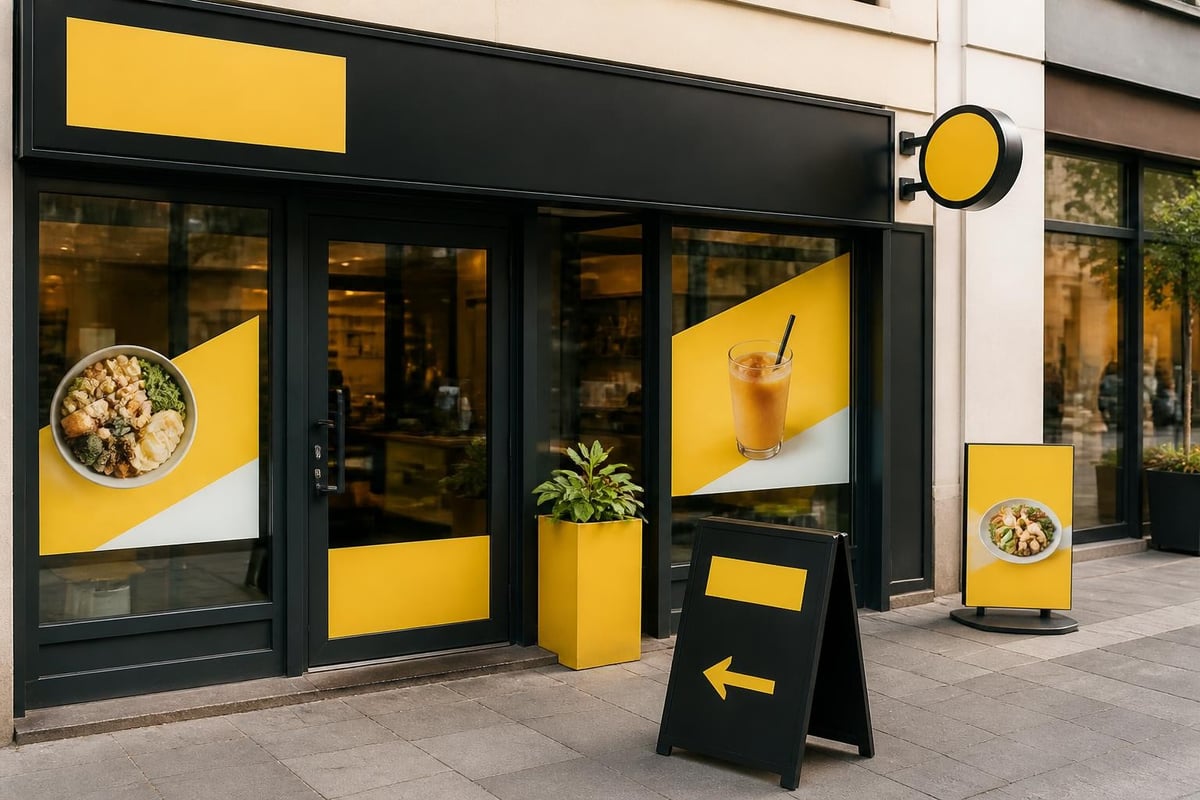
Key brand-building signage elements include:
- Primary identification signs (fascia, monument, pylon)
- Promotional window displays and seasonal messaging
- Interior wayfinding and departmental markers
- Point-of-sale displays and product information
- Digital screens featuring brand content and social proof
Driving Commercial Performance and Customer Conversion
The relationship between shop signage and revenue generation is both direct and measurable. According to Shopify's retail signage research, nearly 76% of consumers have entered a store they had never visited before based solely on its signs. Furthermore, effective point-of-purchase signage can increase product sales by as much as 20% without any other marketing intervention.
These statistics underscore a fundamental retail truth: shop signage is not decorative but functional, serving as a silent salesperson working continuously to attract, inform, and convert customers. Strategic placement of promotional signs near decision points, clear pricing displays, and compelling calls-to-action all contribute measurably to your bottom line.
Categories of Shop Signage and Their Specific Applications
Understanding the distinct categories of retail signage enables you to construct a comprehensive communication system that addresses every stage of the customer journey, from initial awareness through to post-purchase advocacy.
| Signage Category | Primary Function | Typical Locations | Performance Metrics |
|---|---|---|---|
| Exterior Identification | Brand awareness, attraction | Fascia, pylon, monument | Foot traffic increase, brand recall |
| Window Displays | Promotion, seasonal messaging | Storefront glass | Conversion rate, dwell time |
| Wayfinding | Navigation, accessibility | Corridors, entrances, departments | Customer satisfaction, time-to-find |
| Point-of-Sale | Product information, conversion | Near decision points | Sales lift, basket size |
| Regulatory | Safety, compliance | Exits, facilities, warnings | Compliance audit results |
Exterior and Identification Signage
Your exterior shop signage creates the critical first impression that determines whether potential customers engage with your business or continue walking past. Fascia signs, mounted prominently above or alongside your entrance, establish your brand name and often your category or unique selling proposition.
Monument signs and pylon structures serve particularly well for businesses set back from the street or those sharing locations in retail parks. These freestanding installations ensure visibility from greater distances and multiple approach angles, capturing attention from vehicular and pedestrian traffic alike.
Illuminated options extend your visibility beyond daylight hours, effectively doubling your advertising exposure. Lightbox Signage provides consistent, eye-catching illumination that makes your branding visible day and night, ensuring you never miss an opportunity to attract customers regardless of when they pass your location.

Interior Wayfinding and Departmental Markers
Once customers enter your premises, interior shop signage assumes responsibility for guiding their journey, reducing confusion, and highlighting key areas or promotions. Research published in Frontiers in Psychology demonstrates that effective wayfinding signage significantly reduces customer stress, increases dwell time, and improves overall satisfaction with the shopping experience.
Departmental markers help customers quickly locate product categories whilst directional signs prevent the frustration of wandering aimlessly through larger retail spaces. This navigation function proves especially critical for first-time visitors who lack mental maps of your layout.
Effective interior wayfinding incorporates:
- Clear hierarchical information (store map, department, specific product)
- Consistent design language and iconography
- Strategic placement at decision points and intersections
- Accessible heights and readable typography
- Multilingual options where customer demographics warrant
Promotional and Point-of-Sale Signage
These tactical signs directly influence purchasing decisions at the moment of consideration. Unlike permanent wayfinding or identification signage, promotional shop signage changes frequently to reflect current offers, seasonal campaigns, or new product launches.
Menu boards exemplify this category within food service environments, presenting offerings whilst simultaneously creating appetite appeal through photography and description. Similarly, retail signs highlighting special offers, limited-time discounts, or product benefits capture attention and create urgency.
Digital signage has revolutionised this category by enabling real-time content updates, dynamic pricing, and even personalised messaging based on time of day or detected customer demographics. This flexibility allows retailers to test messaging effectiveness and optimise conversion without the cost and waste of repeatedly printing physical signs.
Design Principles for Maximum Shop Signage Impact
Creating effective shop signage requires balancing aesthetic appeal with functional clarity. The Nielsen Norman Group's research on navigation and wayfinding provides valuable insights that translate directly from digital to physical environments, emphasising clarity, consistency, and user-centred design.
Typography and Readability Fundamentals
Font selection dramatically affects how quickly and accurately customers process your messaging. Sans-serif typefaces generally offer superior legibility at distance and under varied lighting conditions compared to decorative or script fonts. Character spacing, line height, and contrast ratios all contribute to readability.
The 2010 ADA Standards for Accessible Design specify precise requirements for character height, stroke width, and contrast that ensure signage remains legible for individuals with visual impairments. While these standards originate from American accessibility legislation, they represent evidence-based best practices applicable to any retail environment concerned with inclusive customer experience.
Readability checklist:
- Minimum character height appropriate to viewing distance (typically 25mm per metre)
- High contrast between text and background (70% minimum)
- Adequate letter spacing (10-15% of character height)
- Simple, sans-serif typefaces for functional signage
- Consistent hierarchy through size and weight variations

Colour Psychology and Brand Alignment
Colour choices in shop signage influence customer perception, emotion, and behaviour in measurable ways. Red creates urgency and draws attention, making it effective for sale signage but potentially overwhelming for wayfinding. Blue conveys trustworthiness and professionalism, whilst green suggests sustainability or health-consciousness.
Your colour palette should align with established brand guidelines whilst considering practical factors such as visibility against your building's exterior, competitive differentiation from neighbouring businesses, and local planning restrictions that may limit colour choices.
Material Selection and Durability Considerations
The materials comprising your shop signage affect both aesthetic impression and long-term cost-effectiveness. Exterior signs must withstand weather exposure, UV radiation, temperature fluctuations, and potential vandalism whilst maintaining appearance and structural integrity.
| Material | Typical Applications | Advantages | Limitations |
|---|---|---|---|
| Aluminium composite | Fascia, panels, monument bases | Lightweight, weather-resistant, cost-effective | Limited depth perception |
| Acrylic | Illuminated letters, lightbox faces | Excellent light transmission, versatile | UV yellowing over extended periods |
| Stainless steel | Premium exterior signage | Prestigious appearance, extreme durability | Higher cost, limited colour options |
| Vinyl graphics | Window displays, temporary promotions | Low cost, easy replacement, versatile | Shorter lifespan, professional installation required |
| LED illumination | Channel letters, lightboxes, digital displays | Energy efficiency, vivid colours, programmable | Initial investment, technical expertise needed |
Regulatory Compliance and Accessibility Standards
Shop signage exists within a framework of legal requirements governing everything from planning permissions to accessibility provisions and safety mandates. Understanding and adhering to these regulations protects your business from enforcement action whilst ensuring your premises remain welcoming to all customers.
Planning Permissions and Local Authority Requirements
Installing or significantly altering shop signage typically requires advance approval from your local planning authority. Regulations vary considerably between jurisdictions, with conservation areas, listed buildings, and high streets often subject to stricter controls regarding size, illumination, materials, and projection distance.
The International Sign Association provides resources and guidance on navigating regulatory frameworks whilst the Society for Experiential Graphic Design offers professional standards that often exceed minimum legal requirements, positioning your signage as both compliant and exemplary.
Consultation with planning officers early in your design process prevents costly mistakes and ensures your proposed signage aligns with local character policies and neighbour considerations.
Accessibility and Inclusive Design
Creating shop signage that serves all customers, regardless of ability, represents both a legal obligation and a commercial opportunity. The U.S. Access Board guide to ADA Standards details technical requirements including tactile characters, Braille translations, mounting heights, and clear floor space that enable independent navigation for people with visual impairments.
Similarly, UK Government guidance on fire safety and accessibility emphasises the critical role signage plays in emergency egress, particularly for customers with mobility limitations, sensory impairments, or cognitive differences.
Inclusive signage design incorporates:
- Raised tactile characters with accompanying Braille
- Pictograms and symbols that transcend language barriers
- Consistent placement at standardised heights (typically 1,200-1,600mm centre-line)
- Matte finishes that minimise glare for customers with visual sensitivity
- Clear, simple language avoiding jargon or ambiguity
Safety and Regulatory Signage Requirements
Beyond promotional and wayfinding functions, certain shop signage categories fulfil mandatory safety and regulatory purposes. Fire exit signs, maximum occupancy notices, health and safety warnings, and accessibility markers all protect both customers and employees whilst ensuring compliance with statutory obligations.
These signs must conform to specific standards regarding colour (green for safe conditions, red for fire equipment, yellow for warnings), pictogram design, and illumination or photoluminescent properties that maintain visibility during power failures.
Emerging Technologies and Digital Shop Signage Solutions
The shop signage landscape continues evolving rapidly as digital technologies create new possibilities for dynamic, responsive, and measurable customer communication. Digital displays, interactive kiosks, and augmented reality applications represent the cutting edge of retail signage innovation.
Dynamic Digital Displays and Content Management
Digital signage systems enable retailers to modify messaging instantly, schedule content changes automatically, and even tailor displays based on detected customer demographics or external factors such as weather conditions. A fashion retailer might promote rainwear when sensors detect precipitation or spotlight swimwear during heat waves.
These systems also facilitate A/B testing of messaging effectiveness, providing data-driven insights into which promotions, imagery, or calls-to-action generate optimal customer response. Integration with inventory management systems enables real-time promotion of overstocked items or highlighting of newly arrived products.
Interactive Wayfinding and Product Discovery
Touchscreen directories and interactive product finders enhance the customer experience whilst collecting valuable behavioural data. These installations allow shoppers to search for specific items, receive personalised recommendations, and even access extended product information beyond what physical shelf labels can accommodate.
QR codes printed on traditional signage bridge physical and digital experiences, enabling customers to access additional content, reviews, or purchasing options through their personal devices without requiring dedicated installed hardware.
Measuring Shop Signage Effectiveness and Return on Investment
Quantifying the commercial impact of shop signage enables evidence-based optimisation and justifies continued investment in this critical marketing channel. Multiple measurement approaches provide insights into both immediate performance and long-term brand building effects.
Foot Traffic Analysis and Attribution
Modern people-counting technologies using overhead sensors or video analytics quantify how many potential customers pass your exterior signage versus how many enter your premises. Changes in conversion rate following signage installations or refreshes provide clear indication of effectiveness.
Heat mapping and dwell time analysis reveal which interior signage locations capture attention and which go unnoticed, informing placement optimisation and design refinement.
Measurable performance indicators include:
- Foot traffic volume changes following signage installation
- Conversion rate (passers-by to store entries)
- Dwell time in specific departments or near promotional displays
- Sales lift for promoted products versus control items
- Customer satisfaction scores related to navigation ease
Sales Attribution and Promotional Effectiveness
Point-of-sale system data enables tracking of specific promoted items' performance, comparing sales during promotional signage periods against baseline performance. This attribution becomes particularly precise with unique product codes or time-limited offers mentioned exclusively on physical signage.
Customer surveys, whilst more subjective, provide qualitative insights into brand perception, navigation satisfaction, and memorability of key messaging that complement quantitative sales and traffic data.
Effective shop signage represents a multifaceted investment that simultaneously builds brand awareness, guides customer journeys, drives conversion, and ensures compliance with accessibility and safety standards. By approaching signage strategically – considering every category from exterior identification through interior wayfinding to dynamic digital displays – retailers create cohesive communication systems that enhance customer experience whilst delivering measurable commercial returns. Whether you're launching a new retail concept or refreshing an established store's visual identity, Signshoponline provides comprehensive signage solutions including custom designs, fabrication, and installation that transform your vision into tangible customer touchpoints that work tirelessly to grow your business.


