


Effective signage remains one of the most powerful tools for businesses to communicate their brand identity, guide customers, and comply with regulatory requirements. In 2026, the landscape of visual communication has evolved dramatically, blending traditional fabricated solutions with cutting-edge digital displays. Whether you operate a retail storefront, manage a corporate campus, or run a healthcare facility, understanding how to leverage different sign types strategically can transform customer experience and drive measurable business outcomes. This comprehensive guide explores the essential aspects of modern signage, from design principles and material selection to compliance requirements and emerging technologies.
The Strategic Role of Signage in Business Communication
Signage functions as a silent salesperson that works around the clock, conveying critical information without requiring human intervention. Every sign installed on your premises serves a specific purpose, whether attracting passing traffic, reinforcing brand consistency, or directing visitors to their destination. Research consistently demonstrates that well-designed visual communication increases foot traffic, improves customer satisfaction, and reduces operational questions directed at staff members.
The investment in quality signage delivers returns across multiple dimensions. Brand recognition strengthens when customers encounter consistent visual elements across all touchpoints. Operational efficiency improves as clear directional signs reduce confusion and support smooth traffic flow. Compliance with accessibility standards protects businesses from legal exposure whilst demonstrating commitment to inclusive design.
Understanding Different Sign Categories
Modern businesses typically deploy several sign categories simultaneously, each serving distinct functions within the broader communication strategy:
Identification signage establishes presence and builds brand awareness. These permanent installations include building-mounted channel letters, monument signs, and pylon structures that announce your location to passing motorists and pedestrians. The most effective identification solutions balance visibility from distance with aesthetic integration into the surrounding environment.
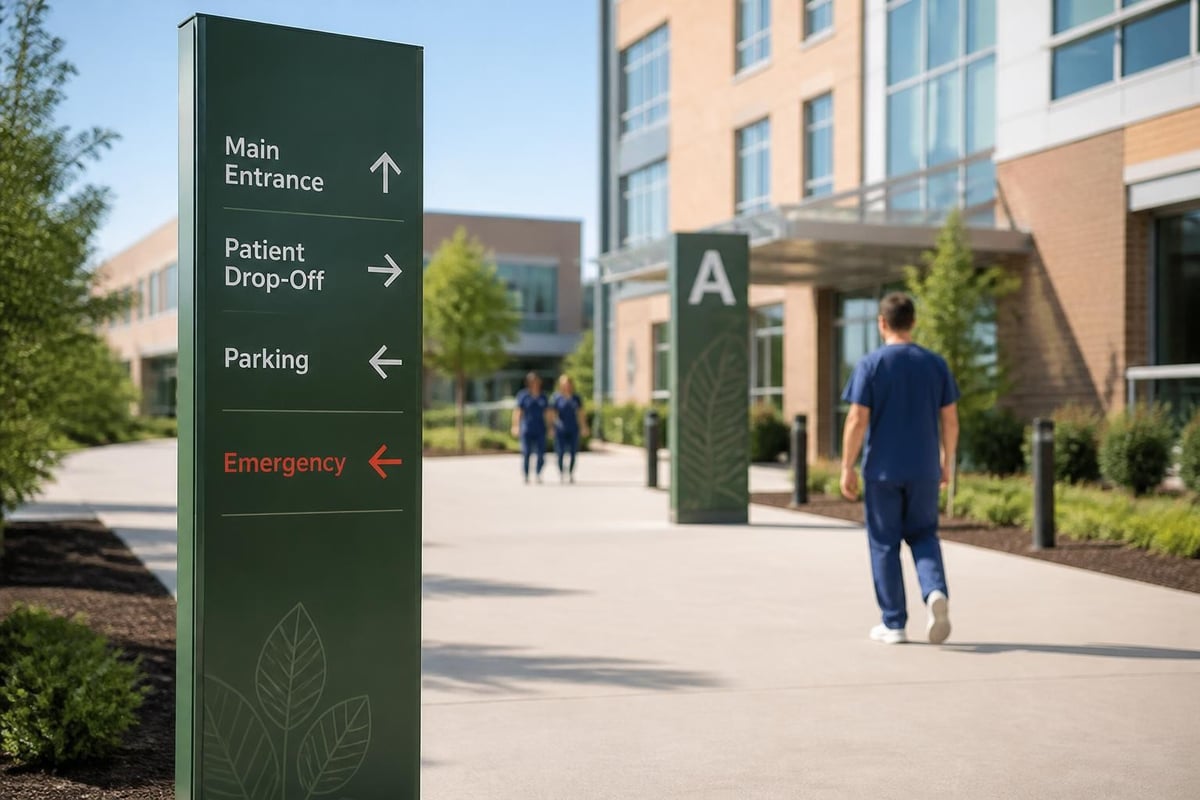
Wayfinding systems guide visitors through complex spaces, reducing anxiety and improving the overall experience. Hospitals, shopping centres, corporate offices, and educational institutions particularly benefit from comprehensive wayfinding programmes. The Society for Experiential Graphic Design provides extensive resources on creating effective environmental graphic design that enhances spatial navigation.
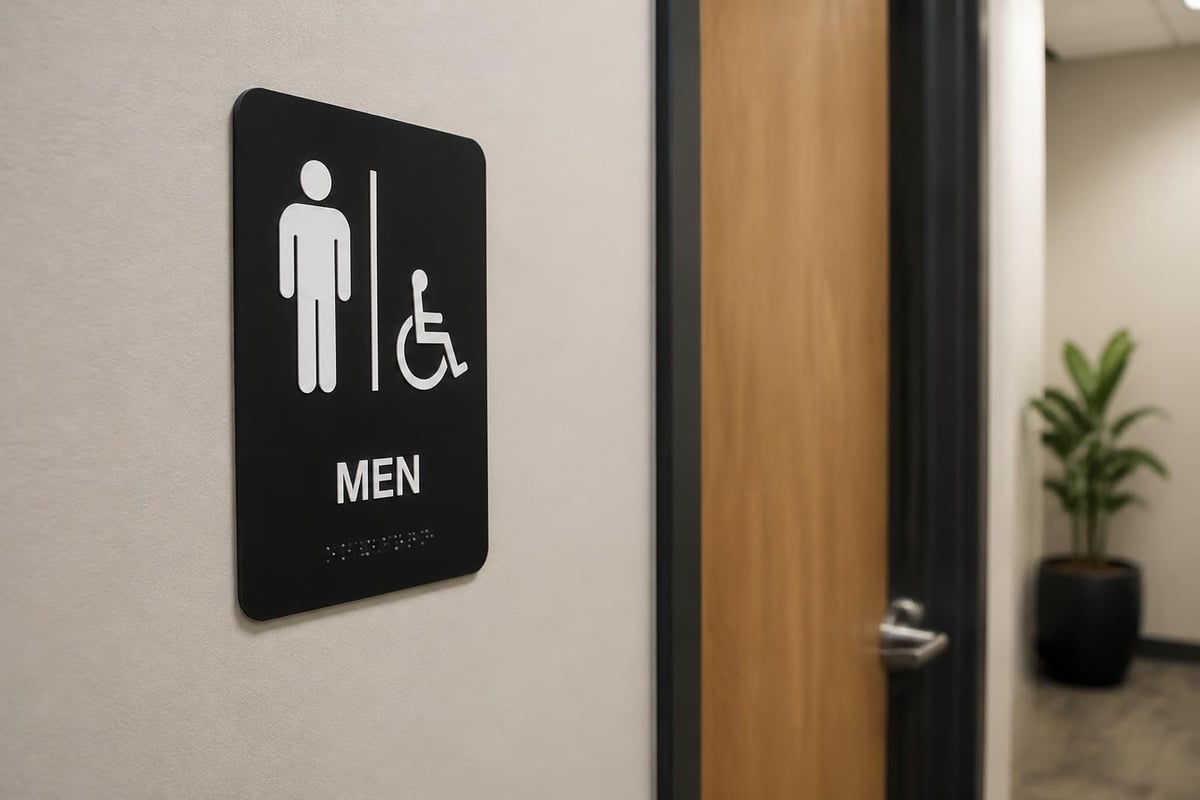
Regulatory and compliance signage meets legal obligations whilst protecting public safety. Exit signs, fire safety information, accessibility markers, and health warnings fall into this essential category. The 2010 ADA Standards for Accessible Design establish specific requirements for tactile characters, visual contrast, and mounting heights that ensure signage serves all users effectively.
Materials and Manufacturing Techniques
The durability, appearance, and cost-effectiveness of any sign depend heavily on material selection and fabrication methods. Understanding the properties of common signage materials enables informed decisions aligned with specific environmental conditions and budgetary constraints.
| Material | Durability | Best Applications | Typical Lifespan |
|---|---|---|---|
| Aluminium | Excellent | Exterior identification, channel letters | 15-20 years |
| Acrylic | Very Good | Illuminated displays, interior graphics | 10-15 years |
| Vinyl | Good | Temporary promotions, vehicle graphics | 3-7 years |
| Wood | Variable | Rustic/boutique environments | 5-10 years |
| LED modules | Excellent | Digital displays, backlit elements | 50,000+ hours |
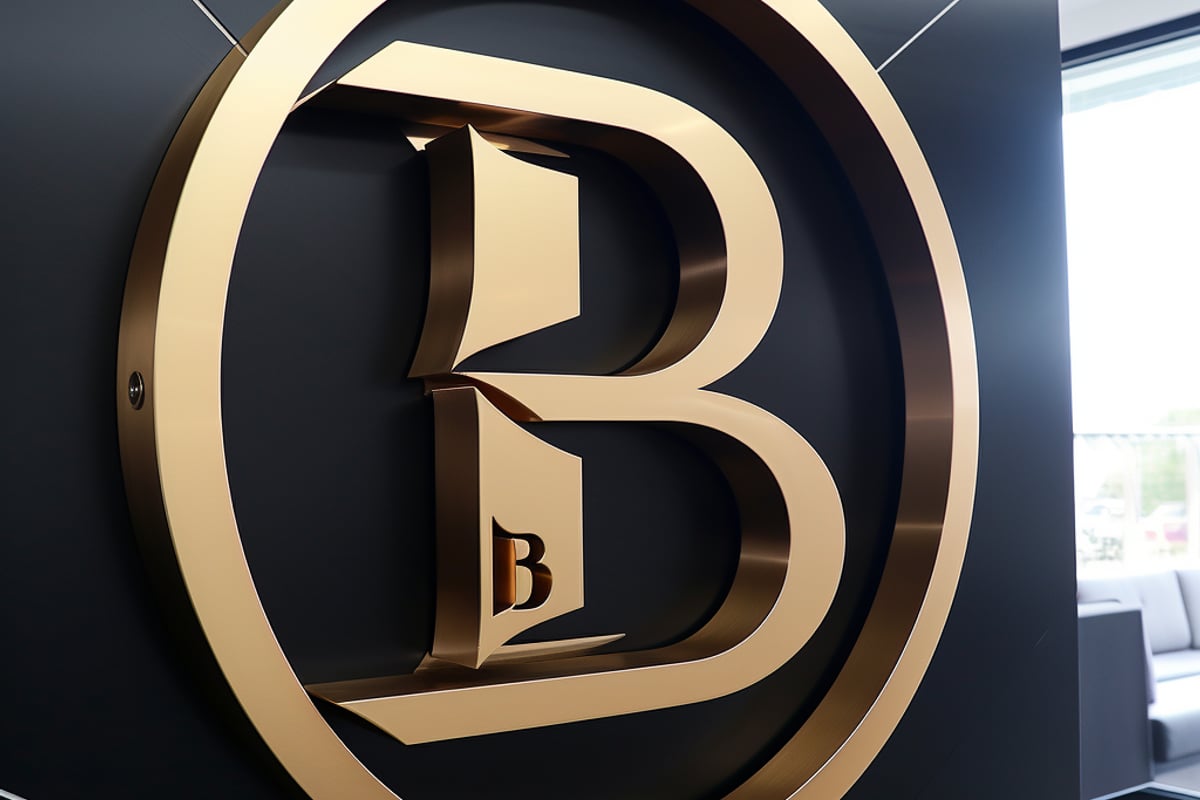
Fabricated three-dimensional lettering creates premium brand statements with exceptional depth and visual impact. These custom-manufactured elements can be illuminated or non-illuminated, depending on visibility requirements and aesthetic preferences. Fabricated 3D signage offers businesses the opportunity to create distinctive exterior identification that commands attention whilst reflecting brand personality through typography, finish, and mounting technique.
Illumination Technologies
Lighting transforms signage from daytime-only communication into 24-hour brand ambassadors. Several illumination approaches serve different functional and aesthetic objectives:
- Internal illumination uses LED modules within channel letters or cabinet signs to create even, glowing effects
- External illumination employs spotlights or wash lighting to highlight dimensional elements after dark
- Backlighting positions light sources behind translucent materials for halo effects that emphasize shape
- Edge-lit acrylic directs light through transparent material edges for energy-efficient, contemporary aesthetics
Modern LED technology has revolutionised illuminated signage economics. Compared to legacy fluorescent or neon systems, LED modules consume substantially less energy, generate minimal heat, require less maintenance, and offer programmable colour options. The typical LED lifespan exceeds 50,000 operating hours, translating to more than five years of continuous operation before requiring replacement.
Compliance and Accessibility Standards
Regulatory compliance represents a non-negotiable aspect of signage planning, particularly for public-facing facilities and commercial buildings. Failure to meet accessibility requirements exposes businesses to legal liability whilst excluding users with visual or mobility impairments from fully engaging with spaces.
The Americans with Disabilities Act establishes comprehensive technical requirements for permanent room identification, directional information, and informational signage. The U.S. Access Board's guidance on signs clarifies these standards through detailed explanations and visual examples. Key requirements include:
Tactile characters must accompany visual text on permanent room signs, raised between 0.8mm and 1.6mm above the background surface. Character height, spacing, and case follow specific parameters to ensure readability through touch.
Braille placement follows standardised conventions documented by the Braille Authority of North America. Their comprehensive standards detail Grade 2 Braille positioning, dot spacing, and integration with tactile text to create accessible signage that serves blind and low-vision users effectively.
Visual contrast between characters and background must meet minimum ratios ensuring readability for users with reduced vision. Non-glare finish specifications prevent reflection that obscures text under various lighting conditions.
Mounting Height and Location
- Permanent room identification: 1200mm-1525mm above floor to baseline of lowest tactile character
- Directional and informational signs: positioned for unobstructed sight lines from decision points
- Overhead signs: minimum 2030mm clearance below any projecting element
- Protruding objects: maximum 100mm projection into circulation paths when mounted between 685mm-2030mm heights
Healthcare environments demand particularly thoughtful signage implementation. A peer-reviewed evaluation of wayfinding in public hospitals demonstrated that strategic sign placement reduces patient anxiety, decreases late arrivals, and improves overall satisfaction scores. The study classified signs into identification, directional, and informational categories, then measured outcomes after systematic implementation across a multi-building medical campus.
Digital Signage and Interactive Solutions
The integration of digital displays into comprehensive signage strategies represents one of the most significant developments in commercial communication. Digital signage offers dynamic content capabilities impossible with static installations, enabling real-time updates, scheduled messaging, and responsive content that adapts to audience demographics or environmental conditions.
Advantages of Digital Display Technology
Content flexibility allows businesses to modify messaging instantly without production delays or installation costs. Promotional campaigns, wayfinding information, emergency notifications, and brand storytelling rotate through programmable schedules tailored to traffic patterns and business objectives.
Measurement and analytics transform signage from one-way broadcasting into data-rich engagement platforms. Advanced systems track viewer attention, dwell time, and interaction rates, providing insights that inform content optimisation and demonstrate return on investment.
Integration capabilities connect digital displays with broader business systems. Point-of-sale data triggers relevant product promotions, queue management systems display real-time wait times, and building automation platforms push emergency notifications during critical events.
| Feature | Traditional Signage | Digital Signage |
|---|---|---|
| Content updates | Requires replacement | Instant remote changes |
| Initial investment | Lower | Higher |
| Ongoing costs | Minimal | Moderate (power, maintenance) |
| Attention capture | Static presence | Motion and colour variation |
| Personalisation | Not possible | Audience-responsive content |
Digital solutions particularly excel in environments where information changes frequently or audience engagement drives business value. Retail environments use digital displays to highlight promotions, cross-sell complementary products, and reduce perceived queue times through entertaining content. Corporate campuses deploy interactive wayfinding kiosks that provide turn-by-turn navigation whilst collecting usage data to optimise building layouts.
Exterior Signage for Maximum Visibility
Exterior installations face unique challenges balancing visual impact with weather resistance and regulatory compliance. These high-visibility solutions often represent a business's primary marketing investment, working continuously to attract new customers whilst reinforcing brand identity for existing relationships.
Pylon and Monument Signs
Freestanding structures create presence for businesses set back from roadways or located within multi-tenant developments. Pylon signs use vertical towers to achieve maximum height, ensuring visibility from greater distances and over visual obstructions. Monument signs offer lower-profile elegance that integrates landscaping and dimensional elements for premium aesthetic appeal.
Effective exterior identification considers multiple viewing distances and approach angles. Typography, colour contrast, and illumination must work together to ensure legibility for motorists travelling at speed whilst maintaining visual interest for pedestrian observers. Local authority regulations typically govern maximum heights, setbacks from property lines, and illumination intensity to balance commercial interests with community character.
Vehicle Graphics and Mobile Branding
Fleet vehicles transform transportation assets into mobile advertising platforms that generate thousands of impressions daily. Professional vehicle branding extends brand consistency beyond fixed locations, building recognition throughout service territories whilst projecting professionalism during customer interactions.
Modern vinyl technology enables full-colour graphics that withstand years of environmental exposure without significant fading or deterioration. Partial wraps offer cost-effective solutions that emphasize key branding elements, whilst complete vehicle coverage creates rolling billboards with maximum visual impact.
Indoor Signage and Environmental Graphics
Interior signage serves functional wayfinding purposes whilst contributing to overall environmental design that shapes visitor perceptions and experiences. Cohesive interior programmes integrate directional elements, departmental identification, branded messaging, and regulatory signs into unified systems that feel intentional rather than accidental.
Lobby and Reception Signage
First impressions form within seconds of entering any facility. Reception area signage establishes credibility, communicates brand personality, and sets expectations for the experience ahead. Dimensional lettering, illuminated logos, and sophisticated materials signal attention to detail that influences how visitors perceive product quality, service standards, and organisational competence.
Lightbox installations create striking focal points that draw attention whilst maintaining clean, contemporary aesthetics. These internally illuminated features can display company names, mission statements, or branded graphics that reinforce identity throughout the visitor journey. Lightbox signage offers customisable options including Mae-West or acrylic return profiles to match specific design requirements and architectural contexts.
Modern businesses increasingly view interior signage as integral to workplace culture and employee engagement. Values statements, achievement recognition, and wayfinding that uses branded colours and typography create cohesive environments where every visual element reinforces organisational identity and purpose.
Department and Room Identification
Consistent naming and numbering systems supported by clear signage reduce confusion whilst projecting organisational competence. Healthcare facilities, educational institutions, and corporate offices particularly benefit from standardised identification that helps visitors and staff navigate confidently.
- Sequential numbering that follows logical patterns aligned with building layouts
- Colour coding by department or function to aid quick visual recognition
- Pictograms that transcend language barriers for international audiences
- Tactile and Braille elements meeting accessibility requirements
Promotional and Temporary Signage
Whilst permanent installations build long-term brand presence, temporary promotional signage drives specific campaigns, events, and seasonal initiatives. These flexible solutions support dynamic marketing strategies without requiring permanent structural modifications or significant capital investment.
Banner systems provide versatile promotional platforms that adapt to changing needs. Retractable banners travel easily between events, outdoor banners announce seasonal promotions, and building-mounted banners celebrate achievements or community involvement. Modern printing technology delivers photographic quality that captures attention whilst conveying detailed product information or compelling calls to action.
Point-of-purchase displays influence buying decisions at critical moments when customers actively evaluate options. Counter displays, shelf talkers, and endcap graphics guide attention toward featured products whilst communicating value propositions that differentiate offerings from competitors.
Outdoor events demand specialised promotional solutions that withstand wind and weather whilst maintaining professional appearance. Teardrop banners, flag systems, and portable signage create branded environments that attract attendees whilst reinforcing messaging throughout event spaces. For businesses seeking complementary outdoor solutions, Ejenti Outdoor offers durable tents, gazebos, and event structures that extend brand presence into temporary locations.
Design Principles for Effective Signage
Regardless of sign type or application, certain fundamental design principles determine whether installations achieve their communication objectives or become overlooked visual noise. Professional signage design balances aesthetic appeal with functional clarity, ensuring messages reach intended audiences without requiring conscious effort to decode.
Typography and Readability
Typeface selection profoundly impacts legibility across viewing distances and lighting conditions. Sans-serif fonts generally outperform decorative alternatives for wayfinding and informational signage where rapid comprehension matters most. Character spacing, stroke weight, and x-height relationships affect readability as significantly as actual typeface choice.
Minimum letter heights correlate directly with expected viewing distances. As a general guideline, each 300mm of viewing distance requires approximately 25mm of letter height to ensure comfortable readability. Exterior signs viewed from roadways demand substantially larger characters than interior directional signs read from within metres.
Colour Strategy and Contrast
Colour choices serve both aesthetic and functional purposes. Brand consistency requires using established colour palettes that reinforce identity across all touchpoints. Visual hierarchy employs colour to direct attention toward primary messages before supporting information. Accessibility compliance demands sufficient contrast between text and backgrounds to serve users with reduced vision.
High-contrast combinations maximise readability: dark text on light backgrounds or vice versa consistently outperforms mid-tone pairings. Colour blindness affects approximately 8% of males and 0.5% of females, making reliance on colour alone to convey critical information problematic without supporting text or symbols.
Information Hierarchy
Effective signs communicate the most important information first, allowing viewers to extract relevant details quickly without studying entire messages. Primary content uses larger text or contrasting colours to establish immediate recognition. Secondary information provides supporting details in smaller type once primary message captures attention. Tertiary elements include regulatory text, contact information, or disclaimers in minimum legible sizes.
Overcrowded signage fails to communicate anything effectively. Restraint and white space create visual breathing room that allows individual elements to register distinctly rather than blurring into visual cacophony that viewers instinctively ignore.
Signage and Digital Business Tools
Modern businesses increasingly integrate physical signage with digital networking tools to create seamless brand experiences across channels. When customers encounter consistent visual identity in both physical spaces and digital interactions, brand recognition strengthens whilst perception of professionalism and competence increases.
Professional teams particularly benefit from aligning visual branding across physical signage and digital networking platforms. Spreadly's digital business cards enable organisations to extend branded colour palettes, typography, and logos into networking interactions, creating cohesive visual experiences whether customers encounter the brand through building signage, vehicle graphics, or digital contact sharing. This consistency reinforces brand memory whilst supporting lead capture and CRM integration that transforms casual encounters into tracked business opportunities.
The integration of physical and digital touchpoints creates multiplier effects where each channel reinforces the others. Customers who encounter consistent branding across signage, websites, social media, and networking tools develop stronger associations and trust compared to fragmented experiences where visual identity varies unpredictably.
Maintenance and Longevity Considerations
Initial installation represents only the beginning of the signage lifecycle. Ongoing maintenance protects visual investments whilst ensuring continued effectiveness across years of environmental exposure and changing business needs.
Preventive Maintenance Schedules
Regular inspection identifies minor issues before they escalate into costly failures or safety hazards. Recommended maintenance intervals vary by sign type and exposure:
- Monthly visual inspections check illumination function and obvious damage
- Quarterly cleaning removes accumulated dirt that degrades appearance
- Annual professional servicing tests electrical systems and structural integrity
- Bi-annual deep cleaning maintains optimal appearance on high-visibility installations
Environmental factors influence maintenance requirements significantly. Coastal locations demand more frequent attention due to salt exposure, whilst industrial areas accumulate particulate contamination that requires aggressive cleaning protocols.
Repair Versus Replacement Decisions
Damaged signage creates negative impressions that undermine brand perception. Broken illumination, faded graphics, or visible deterioration signal neglect that customers unconsciously associate with product quality and service standards. Timely repairs maintain professional appearance whilst protecting long-term investment value.
Economic analysis should consider total cost of ownership rather than focusing exclusively on initial purchase price. Higher-quality materials and construction techniques command premium pricing but deliver superior durability that reduces lifecycle costs through extended replacement intervals and lower maintenance requirements.
When repair costs approach 50-60% of replacement value, complete replacement typically proves more economical whilst providing opportunity to update designs, incorporate improved technologies, and refresh brand presentation.
Strategic signage investments deliver measurable returns through enhanced visibility, improved customer experiences, and regulatory compliance that protects against legal exposure. By understanding material options, design principles, and emerging technologies, businesses create comprehensive visual communication systems that work continuously to attract customers, guide visitors, and reinforce brand identity. Whether you need exterior identification, interior wayfinding, digital displays, or promotional graphics, Signshoponline provides expert consultation and manufacturing capabilities to transform your visual communication goals into professional installations that deliver results.


