

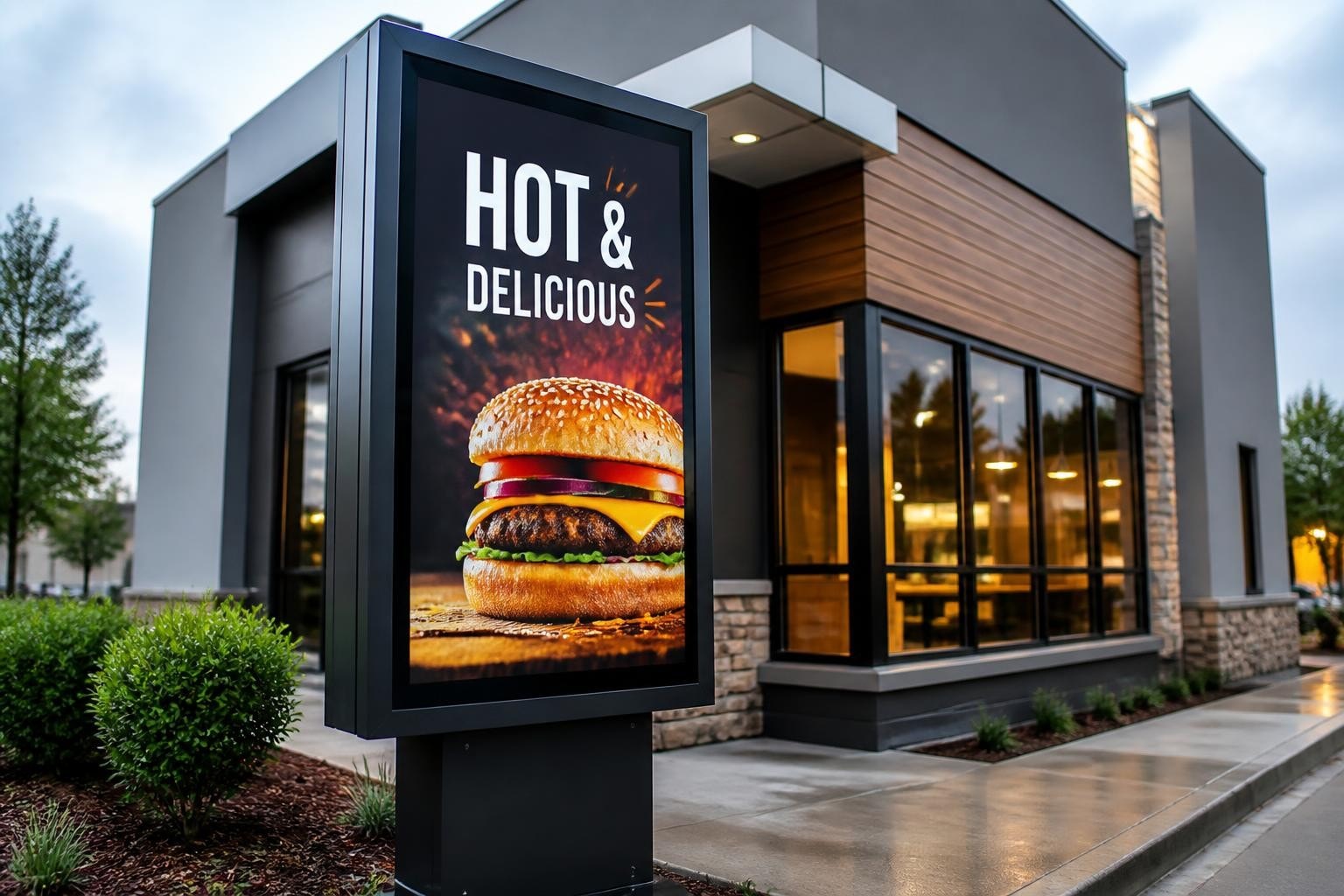
Exterior digital signage has revolutionised how businesses communicate with audiences in outdoor environments. From high-traffic retail precincts to corporate campuses, these dynamic displays deliver targeted messages that static signage simply cannot match. As technology advances and costs decrease, more organisations recognise the strategic value of deploying robust, weather-resistant digital displays that capture attention, drive engagement, and deliver measurable returns on investment.
Understanding Exterior Digital Signage Technology
Exterior digital signage encompasses a broad spectrum of electronic display systems engineered specifically for outdoor deployment. Unlike indoor screens, these installations must withstand extreme temperature fluctuations, moisture ingress, direct sunlight, and physical impacts whilst maintaining consistent performance.
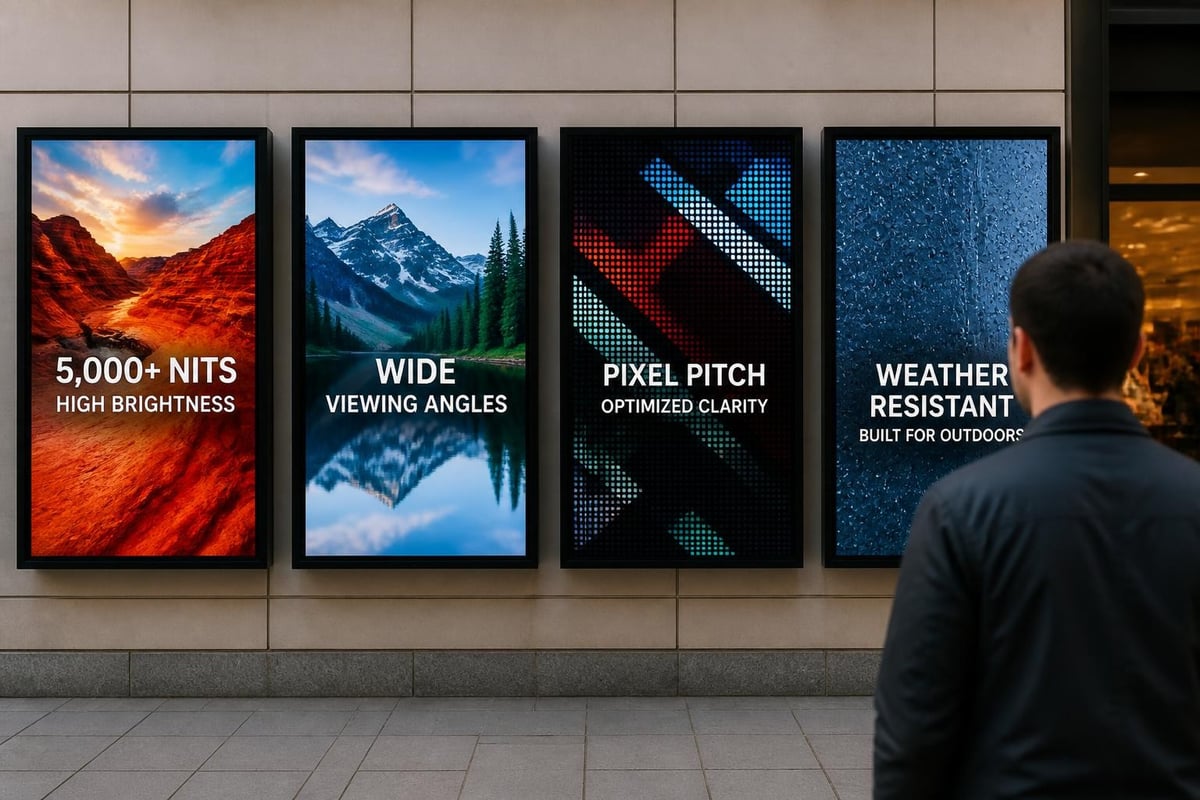
The foundation of any exterior digital signage system rests on three critical components: the display panel itself, the protective enclosure, and the content management infrastructure. Modern LED technology has become the dominant display choice, offering superior brightness levels that remain visible even in direct sunlight. Premium outdoor displays typically deliver brightness ratings between 2,500 and 7,000 nits, compared to 300-500 nits for standard indoor screens.
Display Technologies and Specifications
Several display technologies compete in the exterior digital signage market, each with distinct advantages:
- Direct-view LED: Modular panels ideal for large-format installations, offering exceptional brightness and flexibility
- LCD displays with high-brightness backlights: Cost-effective for medium-sized applications, typically 32 to 75 inches
- Outdoor projection systems: Specialised solutions for building façades and unique architectural installations
- E-paper displays: Ultra-low-power options for static or infrequently updated content
The IEEE 2868-2023 standard provides comprehensive technical requirements for smart display systems, including architectural considerations that directly impact outdoor deployments. This framework addresses security, privacy, and interoperability concerns essential for networked outdoor installations.
Environmental Protection and Durability Standards
Ensuring longevity in harsh outdoor conditions demands rigorous environmental protection. The IP (Ingress Protection) rating system defines how effectively an enclosure shields internal components from solid objects and liquids. Most exterior digital signage installations require a minimum IP65 rating, with IP66 or IP67 ratings recommended for particularly challenging environments.
| Protection Level | Solid Particle Protection | Liquid Protection | Typical Application |
|---|---|---|---|
| IP65 | Dust-tight | Water jets from any direction | Standard outdoor signage |
| IP66 | Dust-tight | Powerful water jets | Coastal or high-rainfall areas |
| IP67 | Dust-tight | Temporary immersion up to 1m | Flood-prone locations |
The ECMA/IEC technical guidance on IP and IK ratings provides detailed specifications for enclosure design. IK ratings measure impact resistance, with IK08 to IK10 ratings appropriate for installations in high-traffic or vulnerable locations.
Temperature Management Systems
Thermal management represents one of the most challenging aspects of exterior digital signage engineering. Electronic components generate significant heat during operation, yet must also survive sub-zero temperatures when inactive. Sophisticated thermal management systems integrate multiple strategies:
- Heating elements that activate automatically when temperatures drop below operational thresholds
- Cooling systems including fans, air conditioning units, or passive heat dissipation
- Temperature sensors and controllers that monitor conditions and adjust protection systems
- Insulation materials that stabilise internal temperatures whilst protecting against condensation
Operating temperature ranges vary by manufacturer, but quality exterior digital signage typically functions reliably between -30°C and +50°C ambient temperatures.
Content Strategy and Programming
Compelling content separates exceptional exterior digital signage installations from mediocre ones. The IAB Digital Out-of-Home best practices guide offers industry-endorsed recommendations for creating effective outdoor digital advertising content. These principles emphasise brevity, visual impact, and contextual relevance.
Design Principles for Outdoor Viewing
Exterior digital signage content must account for unique viewing conditions that differ dramatically from indoor environments:
- Viewing distance: Calculate appropriate font sizes based on maximum viewing distance (typically 1 inch of letter height per 10 feet of distance)
- Dwell time: Limit messages to 5-7 seconds for pedestrian traffic, 3-5 seconds for vehicular audiences
- Colour contrast: Maximise contrast ratios, avoiding subtle gradients that wash out in bright sunlight
- Motion and animation: Use movement sparingly to attract attention without causing distraction or safety concerns
Content management systems (CMS) enable remote scheduling, real-time updates, and multi-location synchronisation. Modern platforms integrate weather data, traffic patterns, and audience analytics to deliver contextually relevant messaging automatically.

Accessibility and Regulatory Compliance
Organisations deploying exterior digital signage must navigate complex regulatory requirements governing outdoor advertising, accessibility, and public safety. The Department of Justice ADA Title III regulations establish baseline requirements for accessible communications in commercial facilities.
For exterior digital signage displaying public information or emergency alerts, accessibility considerations include:
- Sufficient brightness and contrast for low-vision users
- Text size and display duration that accommodate varied reading speeds
- Alternative formats for critical safety information
- Audio components for visually impaired audiences where appropriate
The U.S. Access Board guidance on electronic headsigns provides technical specifications for readable outdoor electronic displays, including recommendations for character height, stroke width, and message cycling that apply broadly to exterior digital signage deployments.
Installation and Infrastructure Requirements
Successful exterior digital signage installations demand careful planning across electrical, structural, and network infrastructure. Professional installations typically involve multiple trades working in coordination.
Power and Connectivity
Electrical requirements vary significantly based on display size and environmental controls. A typical 55-inch outdoor LCD display consumes 400-600 watts continuously, whilst large-format LED walls may require dedicated three-phase power circuits. Power infrastructure planning must account for:
- Consumption during peak operation (display, cooling, network equipment)
- Heating loads during cold weather when displays remain active
- Surge protection against lightning strikes and grid fluctuations
- Backup power options for critical messaging applications
Network connectivity enables remote content management and system monitoring. Options include hardwired Ethernet (most reliable), fibre optic connections, cellular modems (4G/5G), or dedicated wireless networks. The NIST guidance on securing control systems offers essential recommendations for protecting networked outdoor installations from cyber threats.
Structural Considerations and Mounting
Mounting exterior digital signage requires engineering analysis to ensure structural integrity under wind loads, seismic forces, and the display's own weight. Common mounting configurations include:
| Mounting Type | Best Applications | Key Considerations |
|---|---|---|
| Wall-mounted | Building façades, retail frontages | Load-bearing capacity, weatherproofing penetrations |
| Pole-mounted | Car parks, roadways, campuses | Wind resistance, foundation depth, sight lines |
| Ground-mounted | Shopping centres, public spaces | Accessibility, vandal resistance, drainage |
| Canopy-mounted | Petrol stations, drive-throughs | Overhead clearance, maintenance access |
Professional installers coordinate with structural engineers for installations exceeding modest sizes, ensuring compliance with local building codes and safety standards.
Energy Efficiency and Sustainability
The environmental impact of always-on exterior digital signage warrants careful consideration. A single medium-sized outdoor display operating continuously consumes approximately 3,500-5,000 kWh annually, comparable to the entire electricity consumption of a typical household. The IEA commentary on energy efficiency highlights how efficiency improvements contribute to broader climate goals, making this consideration particularly relevant for organisations committed to sustainability.
Modern exterior digital signage incorporates multiple efficiency technologies:
- Ambient light sensors that automatically adjust brightness based on surrounding light levels
- Scheduling systems that dim or deactivate displays during low-traffic periods
- LED technology offering significantly better efficiency than legacy display types
- Power management that optimises cooling and heating cycles based on actual requirements
Some progressive installations integrate solar panels or other renewable energy sources, particularly for remote locations where grid connections prove impractical. For businesses investing in exterior digital signage solutions alongside more traditional formats, pairing dynamic displays with energy-efficient illuminated lightbox signage can create comprehensive outdoor communication strategies that balance visual impact with operational efficiency.

Maintenance and Lifecycle Management
Proactive maintenance extends the operational life of exterior digital signage whilst minimising unexpected failures. Comprehensive maintenance programmes address both preventive and corrective requirements across multiple timeframes.
Routine Maintenance Tasks
Daily/Automated:
- Remote monitoring of display functionality and error logs
- Verification of scheduled content playback
- System temperature and power consumption tracking
Monthly:
- Physical inspection of enclosure seals and gaskets
- Cleaning of display surface and ventilation grilles
- Verification of mounting hardware tightness
Quarterly:
- Filter replacement in cooling systems
- Detailed inspection of electrical connections
- Software updates and security patches
Annual:
- Comprehensive professional servicing
- Calibration of brightness and colour accuracy
- Structural assessment of mounting systems
The typical operational lifespan of quality exterior digital signage ranges from 50,000 to 100,000 hours (approximately 6-11 years of continuous operation). However, aggressive environments, insufficient maintenance, or component failures can significantly reduce this expectancy.
Return on Investment and Performance Metrics
Quantifying the value delivered by exterior digital signage requires establishing clear performance metrics aligned with business objectives. Unlike static signage with primarily qualitative impacts, digital displays enable sophisticated measurement and optimisation.
Key Performance Indicators
Organisations tracking exterior digital signage effectiveness typically monitor multiple metrics across awareness, engagement, and conversion dimensions:
| Metric Category | Specific Measures | Tracking Method |
|---|---|---|
| Reach | Impressions, unique viewers, dwell time | Computer vision, traffic counting |
| Engagement | Attention rate, view duration, interaction frequency | Audience analytics, touchscreen data |
| Conversion | Foot traffic increase, sales lift, web traffic | POS integration, attribution analysis |
| Technical | Uptime percentage, content compliance, energy consumption | System monitoring, automated reporting |
The AVIXA resources on outdoor DOOH signage provide technical and operational perspectives that help organisations establish realistic performance benchmarks based on industry standards.
Integration with Broader Marketing Strategies
Exterior digital signage delivers maximum value when integrated seamlessly with comprehensive marketing and communication strategies rather than operating as isolated installations. Progressive organisations synchronise outdoor digital content with complementary channels including teardrop banners, social media campaigns, mobile marketing, and in-store promotions.
Multi-channel coordination enables sophisticated messaging strategies:
- Dayparting: Adjusting content based on time of day, day of week, or seasonal patterns
- Event-triggered messaging: Displaying relevant content based on local events, weather conditions, or traffic patterns
- Sequential storytelling: Creating narrative arcs across multiple touchpoints as customers move through physical spaces
- Real-time responsiveness: Adapting messages based on inventory levels, queue lengths, or breaking news
Advanced implementations incorporate audience measurement systems that provide demographic insights, enabling targeted messaging that resonates with specific audience segments. Privacy-compliant analytics technologies deliver valuable intelligence without compromising individual privacy rights.
Emerging Trends and Future Developments
The exterior digital signage landscape continues evolving rapidly as technological advances unlock new capabilities whilst addressing traditional limitations. Several emerging trends warrant attention from organisations planning investments in outdoor digital communication infrastructure.
Advanced Display Technologies
MicroLED technology promises to revolutionise exterior digital signage by delivering exceptional brightness, superior colour accuracy, and extended operational lifespans compared to current LED solutions. Though currently expensive, costs continue declining as manufacturing scales increase.
Transparent LED displays enable creative applications where maintaining sight lines matters, such as retail windows or architectural glass façades. These installations deliver messaging whilst preserving transparency, creating distinctive visual experiences impossible with traditional opaque displays.
Artificial Intelligence and Automation
Machine learning algorithms increasingly influence exterior digital signage operations across content selection, audience targeting, and system optimisation. AI-powered systems automatically:
- Analyse audience demographics and adjust content accordingly
- Predict maintenance requirements before component failures occur
- Optimise brightness and power consumption based on ambient conditions and viewing patterns
- Generate content variations and test performance automatically
Interactive and Experiential Features
Touch-enabled exterior digital signage transforms passive viewing into active engagement, enabling wayfinding assistance, product exploration, or entertainment experiences. Gesture control and proximity sensors extend interactivity to non-contact interfaces, particularly valuable in public health contexts.
Augmented reality integration creates immersive experiences where physical surroundings blend with digital content, delivered through the display itself or via smartphone applications that interact with on-screen elements.
Security and Risk Management
Exterior digital signage systems face unique security challenges stemming from network connectivity, physical accessibility, and public visibility. Comprehensive security programmes address multiple threat vectors through layered defences.
Physical security measures include tamper-resistant enclosures, security fasteners, surveillance cameras monitoring the installation, and strategic placement that reduces vandalism risk. For particularly vulnerable locations, protective barriers or elevated mounting positions provide additional protection.
Cybersecurity protocols protect against unauthorised access, content manipulation, or system compromise. Essential safeguards include:
- Network segmentation isolating signage systems from critical business networks
- Strong authentication requirements for content management access
- Encrypted communications between displays and content servers
- Regular security audits and penetration testing
- Incident response procedures addressing potential breaches
Content moderation policies prevent inappropriate material from displaying, whether through system compromise, human error, or integration failures. Automated filters and approval workflows ensure brand consistency whilst preventing reputational damage.
Selecting Appropriate Solutions for Specific Applications
Matching exterior digital signage capabilities to application requirements demands careful analysis of environmental conditions, audience characteristics, content objectives, and budget constraints. No single solution suits all scenarios.
Retail environments benefit from vibrant, high-brightness displays showcasing products, promotions, and brand messaging. Typical specifications include 55-75 inch LCD displays with 2,500+ nit brightness, positioned at eye level for pedestrian engagement.
Transport hubs require ultra-reliable systems displaying wayfinding information, schedules, and emergency alerts. Redundant systems, industrial-grade components, and accessibility compliance take priority over cutting-edge features.
Corporate campuses often deploy exterior digital signage for wayfinding, event promotion, and corporate communications. Professional aesthetics, integration with existing IT infrastructure, and sophisticated content management capabilities matter most.
Hospitality venues leverage exterior digital signage for ambiance, information, and subtle promotion. Design aesthetics, architectural integration, and content that enhances rather than detracts from guest experiences guide specification decisions.
Organisations considering exterior digital signage investments should evaluate potential suppliers based on technical expertise, installation capabilities, ongoing support, and understanding of specific industry requirements. Requesting detailed case studies, visiting existing installations, and verifying manufacturer certifications helps ensure selection of appropriate partners.
Exterior digital signage represents a powerful communication tool when deployed thoughtfully with attention to technical requirements, content strategy, and long-term sustainability. Whether you're exploring dynamic outdoor displays, moving LED signs, or comprehensive signage programmes combining digital and traditional formats, partnering with experienced specialists ensures successful outcomes. Signshoponline brings extensive expertise across all signage categories, from custom digital solutions to promotional displays, helping businesses create impactful outdoor communication strategies that deliver measurable results.


