

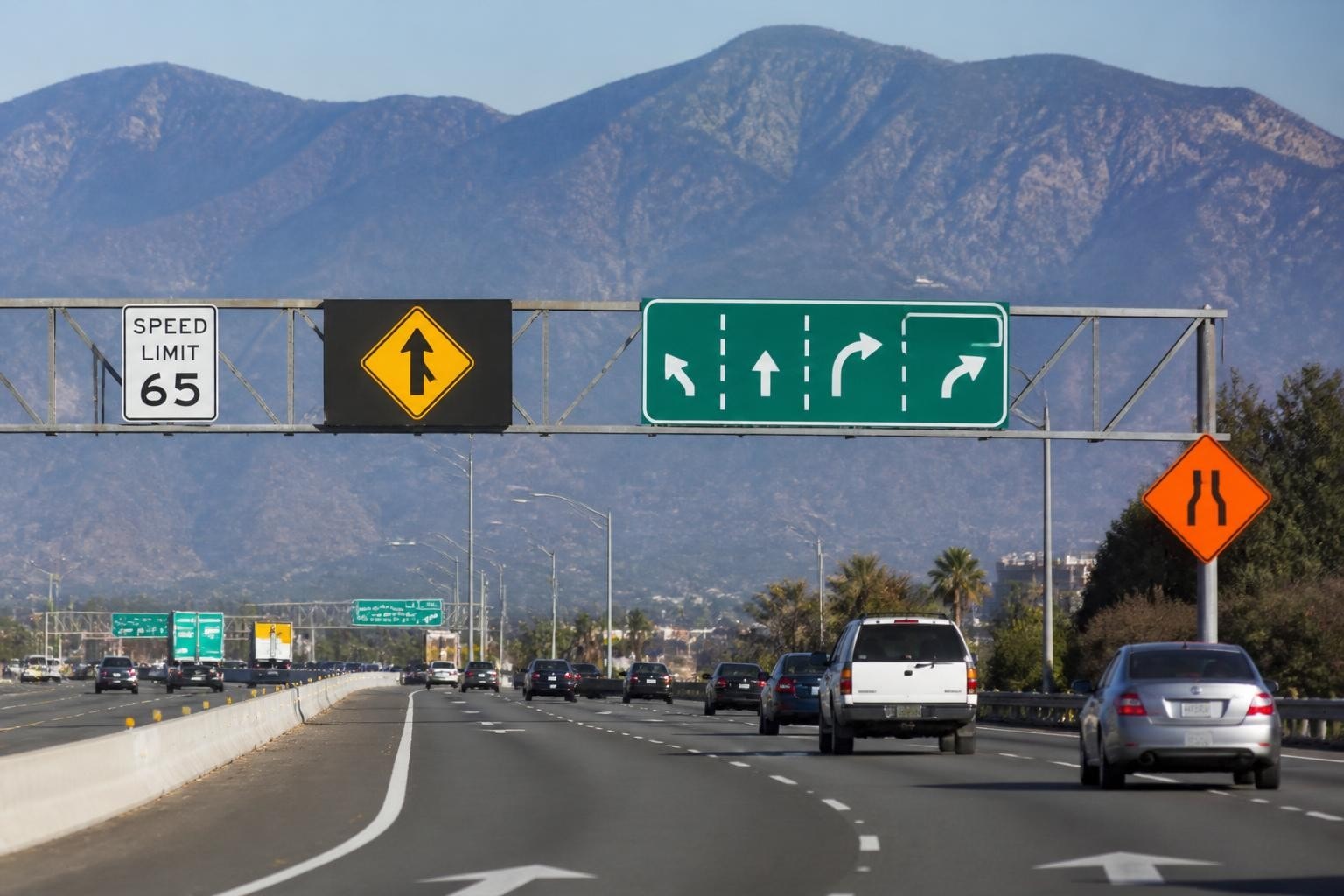
Effective signage in road environments forms the backbone of safe, orderly traffic movement worldwide. These visual communication devices guide drivers, alert them to hazards, regulate behaviour, and provide essential navigation information. From motorways to residential streets, properly designed and positioned road signage reduces accidents, improves traffic flow, and ensures that every road user-whether motorist, cyclist, or pedestrian-can navigate confidently. Understanding the principles, types, and standards governing signage in road systems is essential for transport authorities, designers, and businesses involved in traffic infrastructure.
The Critical Role of Road Signage in Modern Transport
Road signage serves multiple simultaneous functions within transport networks. Regulatory signs establish legal requirements, warning signs alert drivers to upcoming hazards, guide signs provide directional information, and temporary signs manage construction zones or incidents. Each category plays a distinct role in the broader ecosystem of traffic control.
The effectiveness of signage in road settings depends on several interconnected factors:
- Visibility and legibility from appropriate distances and speeds
- Consistent application of design standards across regions
- Strategic placement relative to decision points and hazards
- Appropriate sizing based on speed limits and viewing angles
- Maintenance to preserve retroreflectivity and structural integrity
Research into human factors has demonstrated that drivers process road signage within split seconds whilst simultaneously managing vehicle control and monitoring the traffic environment. The Manual on Uniform Traffic Control Devices provides comprehensive guidance on how signage in road applications should be designed to accommodate these cognitive demands.
Understanding Driver Information Processing
When approaching signage in road environments, drivers go through distinct cognitive stages: detection, recognition, comprehension, and response. Each stage requires time and mental capacity. Signs must be visible from sufficient distance to allow drivers travelling at the posted speed limit to detect them, read them, understand their message, make a decision, and execute the appropriate manoeuvre safely.

The Human Factors Guidelines for Road Systems emphasises that sign legibility distance must account for reaction time, decision time, and manoeuvre time. For example, a motorway exit sign requires greater advance warning distance than a urban speed limit sign because the response (changing lanes and decelerating) demands more time and space.
Primary Categories of Signage in Road Networks
Regulatory Signs: Establishing Legal Requirements
Regulatory signage in road systems communicates laws that drivers must obey. These include speed limits, parking restrictions, turn prohibitions, and right-of-way assignments. Most jurisdictions adopt circular or rectangular shapes for regulatory signs, often with red borders or backgrounds to signal prohibition.
| Sign Type | Function | Typical Placement | Enforcement |
|---|---|---|---|
| Speed limit | Define maximum safe speed | Entry to speed zone, after junctions | Police citation |
| Stop | Require complete halt | Intersection approach | Moving violation |
| No entry | Prohibit vehicle access | Road entry points | Serious penalty |
| Parking restriction | Control kerb usage | Throughout restriction zone | Parking fine |
The legal force behind regulatory signage in road environments means that their design and placement must follow rigorous standards. Inconsistent application creates confusion and undermines compliance.
Warning Signs: Alerting to Hazards and Changes
Warning signs prepare drivers for upcoming changes in road geometry, surface condition, or traffic patterns. These typically employ diamond shapes (in many jurisdictions) with yellow or amber backgrounds to attract attention without commanding an immediate response.
Common warning signage in road applications includes:
- Sharp curves and bend warnings
- Intersection and junction alerts
- Pedestrian crossing notifications
- Uneven surface or construction advisories
- Animal crossing zones
- Railway level crossing advance warnings
Each warning sign should be positioned to give drivers adequate time to adjust speed or position before reaching the hazard. The Institute of Transportation Engineers provides implementation resources that help practitioners calculate appropriate advance placement distances based on approach speed and sight conditions.
Guide Signs: Providing Navigation Information
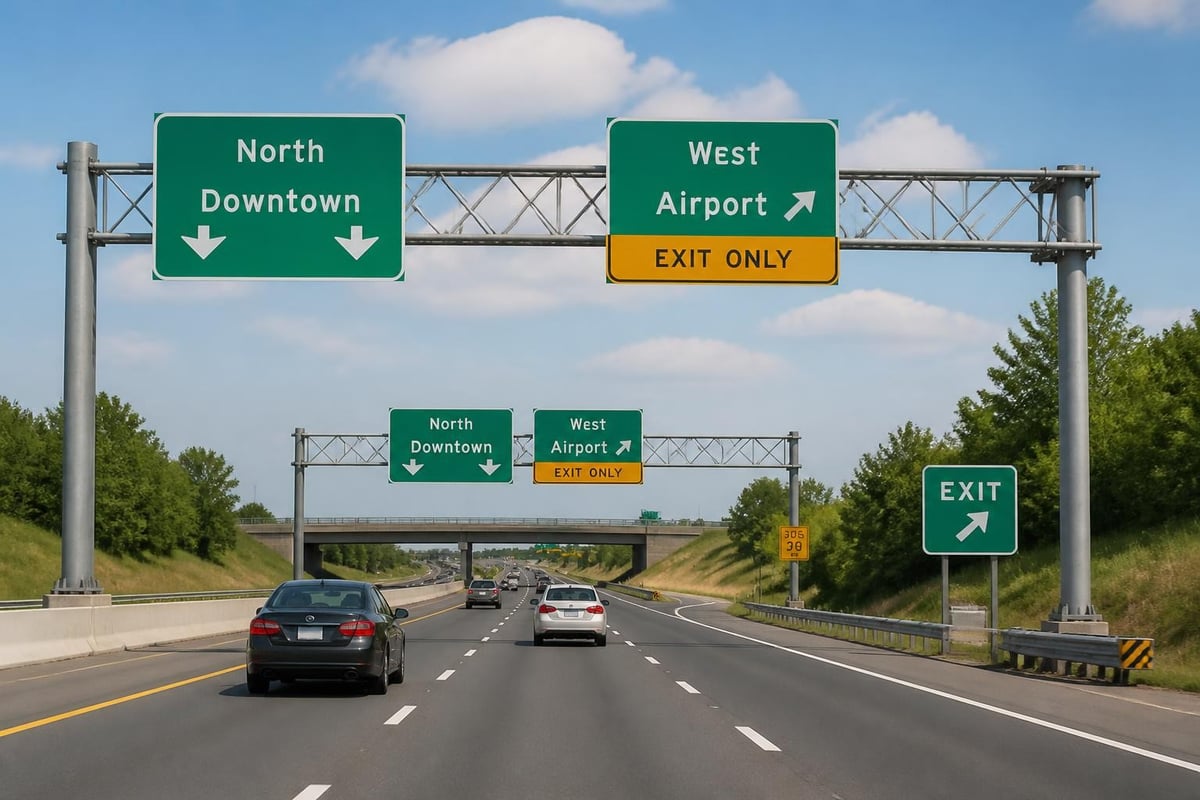
Guide signage in road networks helps drivers navigate to destinations by providing route numbers, cardinal directions, distance information, and destination names. These signs typically use green backgrounds for motorways, blue for services, and brown for tourist attractions or recreational facilities.
Effective guide sign placement requires careful consideration of:
- Decision sight distance: Positioning signs where drivers have adequate time to select lanes
- Information load: Limiting destinations per sign to prevent cognitive overload
- Hierarchical sequencing: Presenting major routes before minor destinations
- Confirmation: Reassuring drivers after they've made navigation decisions
- Exit numbering: Providing consistent reference systems for wayfinding
The complexity of modern road networks demands sophisticated guide sign systems. Urban motorway interchanges may require sequences of advance signs, direction signs, and confirmation signs to guide drivers through multiple decision points.
Design Standards and Specifications for Road Signage
Standardisation of signage in road environments ensures that drivers encounter consistent visual languages regardless of location. This consistency reduces cognitive load and improves safety, particularly for unfamiliar drivers.
Shape, Colour, and Symbol Conventions
International conventions have emerged for road sign design, though regional variations persist. The Vienna Convention on Road Signs and Signals promotes harmonisation across countries, establishing common principles for shape-coding hazard types and colour-coding message categories.
Standard shape associations help drivers categorise signs instantly:
- Circles typically indicate mandatory instructions or prohibitions
- Triangles point toward warnings and cautions
- Rectangles convey information and guidance
- Octagons signal stop requirements (primarily in North America)
- Diamonds indicate warnings (in North American practice)
Retroreflectivity and Visibility Requirements
Signage in road settings must remain visible during night-time and low-visibility conditions. Retroreflective sheeting returns light toward its source (vehicle headlamps), making signs appear to glow. Different sheeting types offer varying performance levels:
| Sheeting Type | Performance Level | Typical Application | Lifespan |
|---|---|---|---|
| Engineer Grade | Basic | Low-speed residential | 7-10 years |
| High Intensity | Enhanced | Major arterials, motorways | 10-12 years |
| Diamond Grade | Superior | Critical warnings, regulatory | 12+ years |
| Microprismatic | Excellent | High-speed, complex geometry | 12+ years |
Regular inspections ensure signage in road networks maintains minimum retroreflectivity standards. Many authorities now use mobile retroreflectometer systems to survey entire road networks efficiently.
Sizing and Legibility Calculations
Sign size must increase with approach speed to maintain legibility. The relationship between letter height and legibility distance follows established formulas, with typical requirements of 25-30 mm of letter height per metre of required reading distance for standard fonts and conditions.
Large format signage in road applications, such as motorway gantries and billboard signs used for variable message systems, require particular attention to viewing geometry and font selection.
Strategic Placement and Positioning Principles
The effectiveness of signage in road environments depends as much on placement as design. Signs positioned too close to decision points leave insufficient response time, whilst those placed too far in advance may be forgotten before the relevant location.
Lateral Offset and Mounting Height
Signs must be positioned outside the clear zone-the roadside area that drivers may encroach during loss-of-control events. Standard lateral offsets typically range from 2 to 4 metres from the edge of the travelled way, varying with speed environment and available right-of-way.
Mounting height balances several considerations:
- Sight line clearance over intervening vehicles and vegetation
- Maintenance accessibility for cleaning and replacement
- Vandalism resistance in urban environments
- Overhead clearance for signs spanning the carriageway
- Snow accumulation in regions with winter weather
Urban signage in road settings often requires higher mounting to maintain visibility over parked vehicles, whilst rural applications may use lower mounting heights where sight lines are unobstructed.
Longitudinal Placement Relative to Features
Each sign type requires specific advance warning distance. Regulatory signs typically appear at the location where the regulation takes effect, whilst warning signs precede the hazard by a distance calculated from approach speed and required response.
The AASHTO design standards provide detailed guidance on geometric design elements that influence sign placement, ensuring that signage coordinates with horizontal curves, vertical grades, and intersection geometry.
Temporary Traffic Management and Work Zone Signage
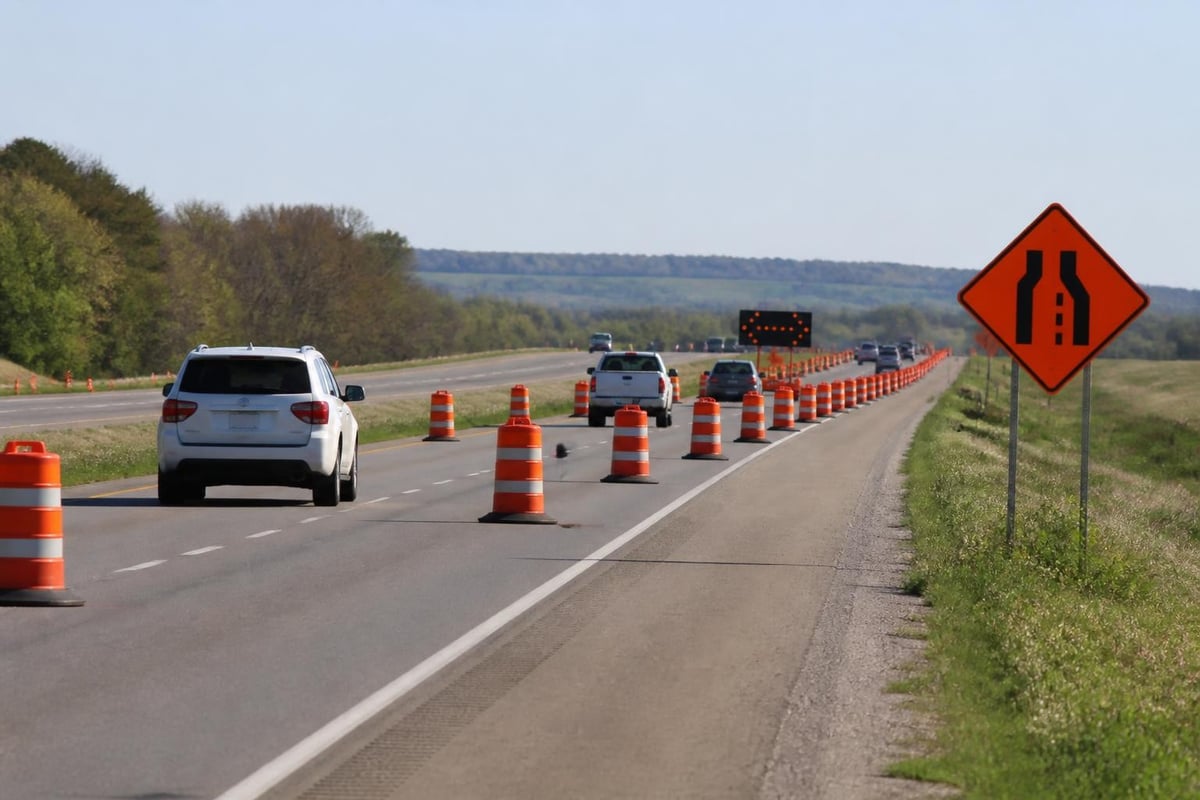
Construction and maintenance activities require temporary modifications to signage in road networks. Work zone signing follows distinct principles because drivers encounter unfamiliar conditions and must process information whilst navigating altered traffic patterns.
Typical work zone sign sequence includes:
- Advance warning signs alerting to upcoming work
- Transition area signs preparing drivers for lane shifts
- Activity area signs defining the work zone itself
- Termination signs returning traffic to normal operations
Temporary signage must be particularly robust and visible, often using fluorescent backgrounds and enhanced retroreflectivity to capture attention. Poor work zone signing contributes significantly to construction-related accidents.
Digital and Variable Message Signage
Modern signage in road systems increasingly incorporates electronic displays that adapt messages to real-time conditions. Variable message signs (VMS) communicate traffic incidents, travel times, weather conditions, and emergency information.
These dynamic systems offer several advantages over static signage:
- Real-time responsiveness to changing conditions
- Message flexibility for different scenarios
- Multi-language capability in international corridors
- Integration with intelligent transport systems
- Attention-capturing animation and brightness control
Lightbox Signage technology, whilst more commonly used in commercial settings, shares some principles with illuminated road signage in terms of visibility enhancement and controlled light output. Modern LED-based variable message signs provide excellent visibility whilst consuming minimal power compared to earlier technologies.
Digital signage in road applications must balance information richness with comprehension speed. Research suggests that messages should require no more than two seconds to read at approach speeds, limiting content to essential information only.
Maintenance and Lifecycle Management
Even perfectly designed signage in road networks deteriorates without proper maintenance. Systematic inspection and replacement programmes ensure continuous effectiveness.
Inspection Protocols and Performance Monitoring
Comprehensive sign management systems track individual sign locations, installation dates, retroreflectivity measurements, and maintenance history. Regular inspection cycles identify signs requiring cleaning, repair, or replacement before performance falls below acceptable thresholds.
Common degradation factors include:
- Retroreflective sheeting weathering and delamination
- Colour fading from ultraviolet exposure
- Structural damage from wind loading or impacts
- Vegetation obscuration reducing visibility
- Graffiti and vandalism defacement
Many jurisdictions now employ mobile mapping systems that photograph entire road networks, enabling desk-based sign inventory and condition assessment.
Asset Replacement Strategies
Proactive replacement of signage in road systems based on age and condition proves more cost-effective than reactive replacement after failure. Blanket replacement programmes that address all signs within a corridor simultaneously reduce traffic management costs and improve consistency.
Emerging technologies such as electronic paper and photoluminescent materials may transform road signage in coming decades, offering alternatives to traditional retroreflective signs with different performance characteristics and lifecycle costs.
Special Considerations for Pedestrian and Cyclist Safety
Beyond vehicular traffic, signage in road environments must address vulnerable road users. Pedestrian crossing signs, school zones, and cycle facility markings require particular attention to ensure driver awareness and appropriate yielding behaviour.
The World Health Organization's pedestrian safety manual emphasises that signage forms just one element of a comprehensive approach to protecting vulnerable road users, working alongside road geometry, speed management, and enforcement.
Pedestrian-oriented signage typically includes:
- Advance warning of crossing locations
- Regulatory signs establishing pedestrian right-of-way
- School zone speed limits with time-specific enforcement
- Shared space notifications in mixed-use environments
- Cycle lane delineation and advance directional signs
These applications often require enhanced conspicuity measures such as fluorescent backgrounds, flashing beacons, or active warning systems triggered by pedestrian presence.
Integration with Broader Traffic Management Systems
Contemporary signage in road networks operates within integrated traffic management ecosystems. Variable message signs receive real-time data from traffic sensors, incident detection systems, and weather stations. This integration enables responsive messaging that guides drivers around congestion, warns of hazardous conditions, and optimises network capacity.
Key integration touchpoints include:
- Traffic signal systems coordinating flow and priority
- Incident management protocols activating warning messages
- Weather monitoring triggering speed advisories
- Parking guidance systems directing drivers to available spaces
- Emergency services communication for evacuation routing
The increasing sophistication of connected vehicle technologies will further transform how signage in road systems communicates with road users, potentially delivering personalised routing information directly to vehicle displays whilst maintaining roadside signing for non-connected vehicles.
Cultural and Linguistic Considerations
International road corridors and multi-lingual regions face particular challenges in signage design. Symbol-based communication reduces language barriers, though some messages require text to convey specific information.
Bilingual or multilingual signage in road applications must balance information completeness with comprehension speed. Excessive text creates cognitive overload, whilst insufficient information fails to guide unfamiliar drivers effectively. Many jurisdictions adopt hierarchical approaches, using international symbols for critical safety messages whilst providing text-based guidance for navigation.
Tourism-dependent regions increasingly incorporate pictorial destination guides and multi-language variable message signs to serve international visitors unfamiliar with local language and geography.
Effective signage in road systems requires careful attention to design standards, placement principles, visibility requirements, and maintenance protocols. These elements work together to create safe, efficient traffic environments that serve all road users. Whether you're managing transport infrastructure, developing new road schemes, or enhancing existing networks, Signshoponline offers comprehensive signage solutions including custom traffic signs, illuminated displays, and promotional banners that meet professional standards. Contact our team to discuss how we can support your road safety and traffic management projects.


