

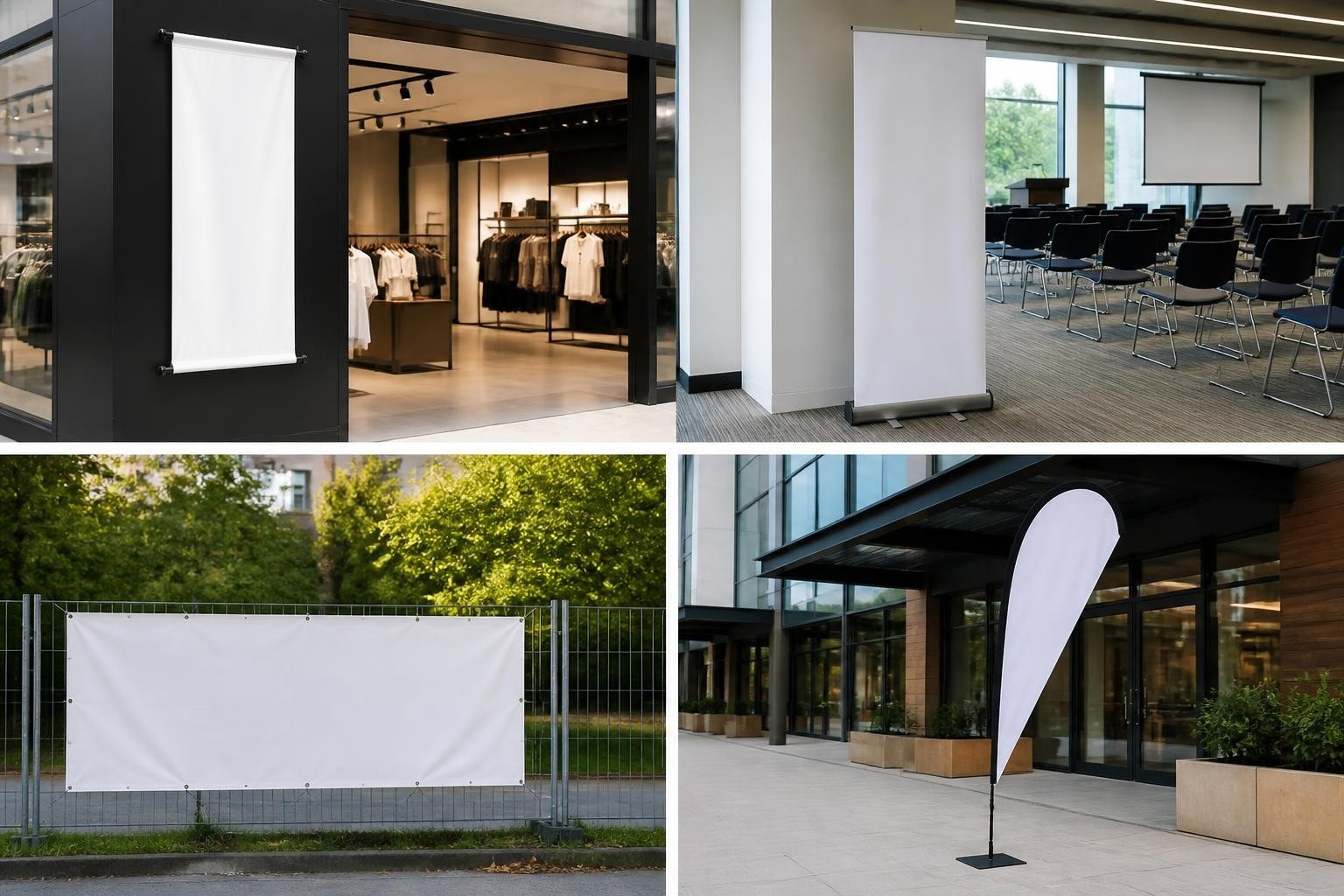
Banners remain one of the most versatile and cost-effective marketing tools available to businesses across every sector. Whether you're promoting a grand opening, enhancing brand visibility at a trade show, or creating wayfinding solutions for a corporate campus, these flexible display formats deliver exceptional reach and engagement. Their adaptability to indoor and outdoor environments, combined with advances in printing technology and materials, has elevated banners from simple promotional tools to sophisticated communication platforms that drive measurable business results.
Understanding the Strategic Value of Banner Solutions
Banners serve multiple strategic functions within modern marketing ecosystems. Unlike static signage that remains permanently fixed, these displays offer remarkable flexibility in messaging, placement, and lifecycle management.
Core Business Applications
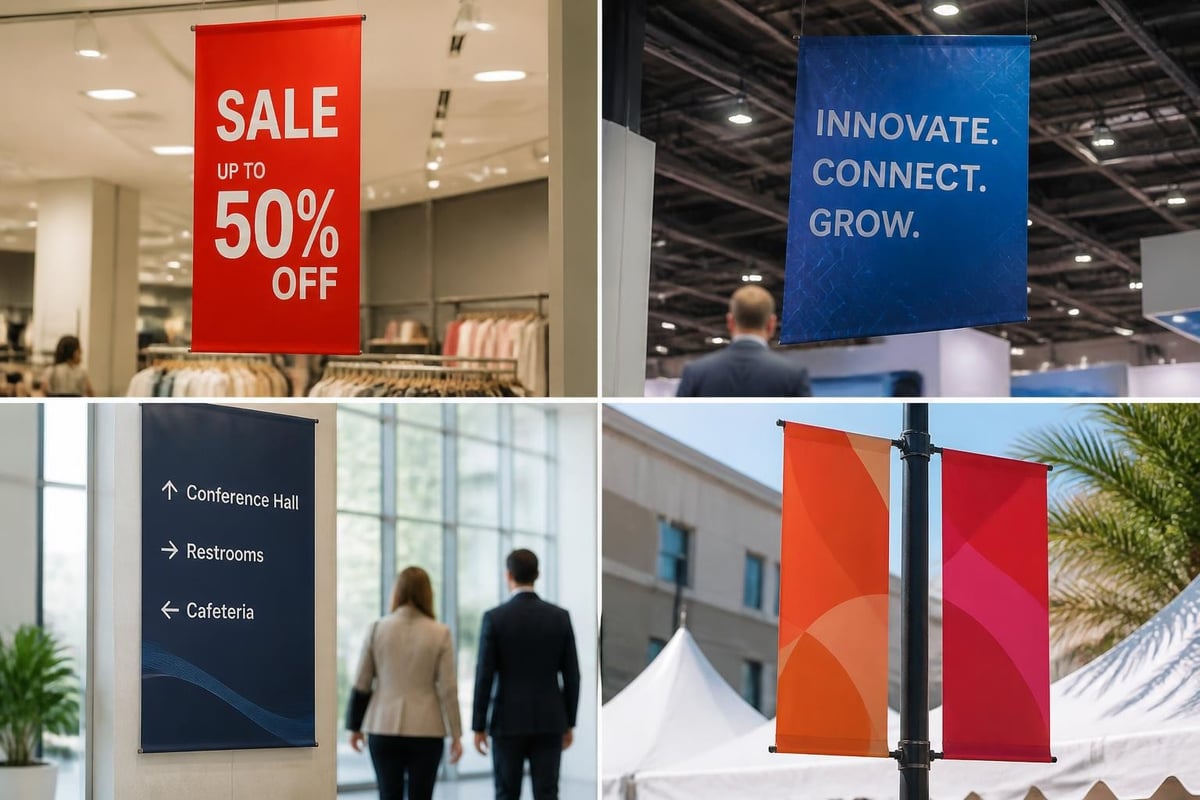
The commercial applications for banners extend far beyond traditional retail advertising. Event marketing relies heavily on these displays to create immersive branded experiences, whilst corporate communications departments use them for internal messaging, safety protocols, and wayfinding systems. Trade show exhibitors consistently rank banners amongst their most valuable assets due to portability and visual impact.
Research into visual advertising effectiveness demonstrates that well-designed banners capture attention within 2-3 seconds and maintain engagement significantly longer than digital advertisements in cluttered online environments. This immediate visual impact translates directly into foot traffic, brand recall, and conversion opportunities.
Material Science and Durability Considerations
Modern banner manufacturing employs sophisticated materials engineered for specific environmental conditions. Vinyl substrates dominate outdoor applications due to exceptional weather resistance and UV stability, whilst fabric materials like polyester and mesh offer advantages in wind-prone locations or premium indoor settings.
| Material Type | Ideal Environment | Lifespan | Key Advantage |
|---|---|---|---|
| PVC Vinyl | Outdoor permanent | 3-5 years | Weather resistance |
| Mesh Vinyl | High-wind areas | 2-4 years | Wind permeability |
| Fabric (Polyester) | Indoor/premium | 2-3 years | Print quality |
| Scrim Banner | Temporary outdoor | 6-12 months | Cost efficiency |
The environmental considerations around PVC-based materials have prompted increased interest in recyclable alternatives, though vinyl continues to offer unmatched durability for demanding applications.
Design Principles for Maximum Impact
Effective banner design balances aesthetic appeal with functional communication. The most successful installations follow evidence-based principles that optimize readability, brand alignment, and call-to-action effectiveness.
Typography and Readability Standards
Viewing distance dictates minimum type sizes, with the general rule requiring one inch of letter height per ten feet of viewing distance. This ensures legibility across typical retail and event environments where viewers encounter banners whilst in motion.
Contrast ratios between text and background should meet or exceed WCAG 2.1 standards, with high-contrast combinations (dark on light or vice versa) delivering superior readability. Decorative typefaces should be limited to headlines, whilst body copy demands clean sans-serif fonts that maintain clarity when reproduced at large scale.
The Interactive Advertising Bureau establishes guidelines for digital banner specifications, many of which translate effectively to physical banner design in terms of content hierarchy and visual balance.
Colour Management and Print Production
Achieving accurate colour reproduction across large-format printing requires robust colour management workflows. Professional banner production employs ICC colour profiles specific to substrate and printing technology, ensuring brand colours remain consistent across multiple installations and reprint runs.
The technical specifications for large-format colour management detail the calibration processes necessary for maintaining colour fidelity throughout production. Businesses with strict brand guidelines should request printed proofs before full production runs to verify colour accuracy.
- Specify Pantone or CMYK values consistently across all design files
- Request pre-production colour proofs for critical brand applications
- Account for viewing conditions (indoor lighting vs outdoor sunlight)
- Consider substrate colour influence on final appearance
- Maintain digital asset libraries with approved colour profiles
Installation Methods and Structural Requirements
Proper installation determines both the visual impact and longevity of banner displays. Different mounting systems suit specific environments, structural constraints, and aesthetic requirements.
Outdoor Installation Considerations
Wind load calculations are critical for outdoor banners, particularly in exposed locations or large-format installations. Structural engineers typically specify maximum wind speeds that mounting systems can safely withstand, with standard banner materials rated for winds up to 40mph when properly tensioned.
Grommets remain the most common fixing method, with spacing typically at 60-90cm intervals along all edges. For premium installations or areas with extreme weather exposure, pole pockets with integrated tensioning systems provide superior wind resistance and extended lifespan. Hanging banners designed for indoor applications require different structural considerations focused on aesthetic presentation rather than weather resistance.
Portable and Retractable Systems
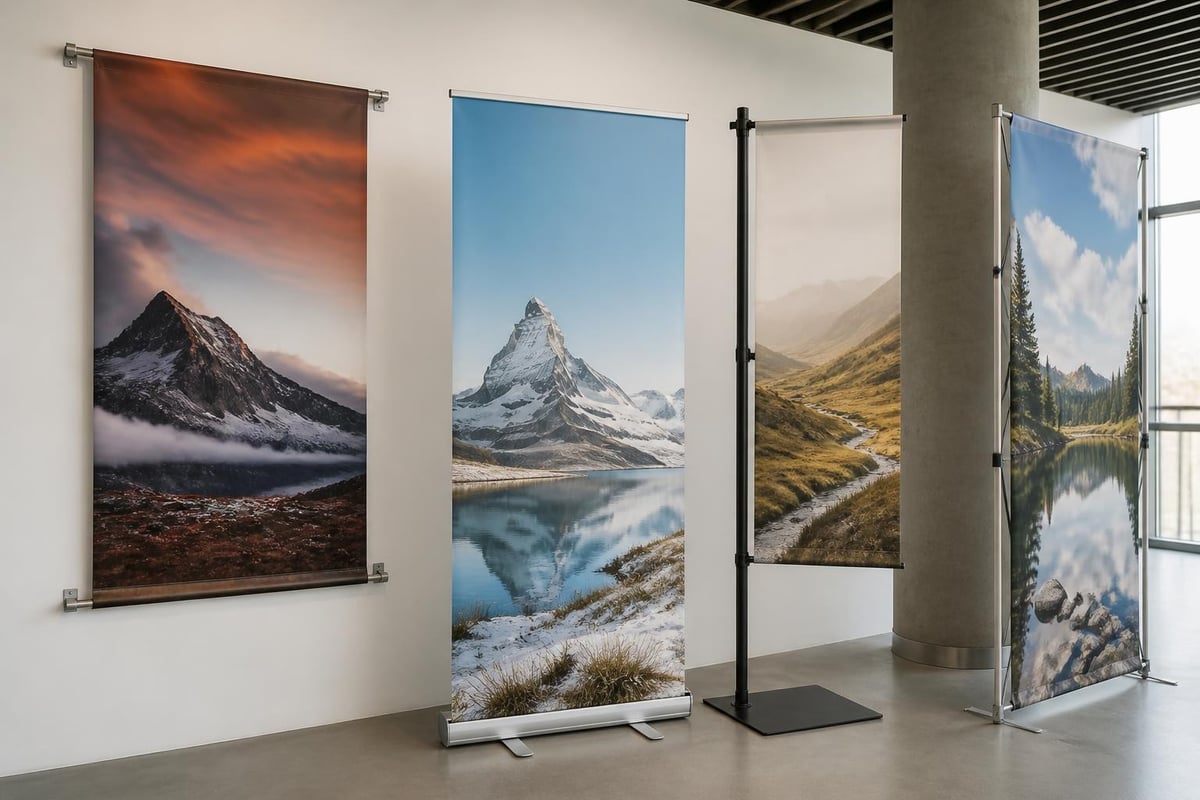
Trade show and event applications demand portability without sacrificing professional appearance. Retractable banner stands combine transport convenience with rapid deployment, whilst x-banners offer cost-effective solutions for temporary promotions and point-of-sale displays.
Floor stand banners represent the premium tier of portable solutions, with weighted bases providing stability without ground fixings, making them ideal for retail environments where permanent installation isn't feasible.
Specialized Banner Formats and Applications
The banner category encompasses numerous specialized formats, each engineered for specific marketing challenges and environmental conditions.
Shaped and Dimensional Options
Beyond rectangular formats, shaped banners create distinctive visual signatures that enhance brand recognition. Teardrop banners and sharkfin banners excel in outdoor events and retail forecourts, where their distinctive profiles remain visible from multiple angles and continue advertising even in modest wind conditions.
These three-dimensional formats typically employ fibreglass poles that flex with wind loads, reducing structural stress whilst maintaining visual presence. Ground spike and water-fillable base options accommodate various surface types from soft ground to paved surfaces.
Digital Integration and Hybrid Solutions
Contemporary marketing increasingly demands integration between physical and digital channels. QR code integration on banners bridges offline visibility with online engagement, enabling measurement of banner effectiveness through trackable digital interactions.
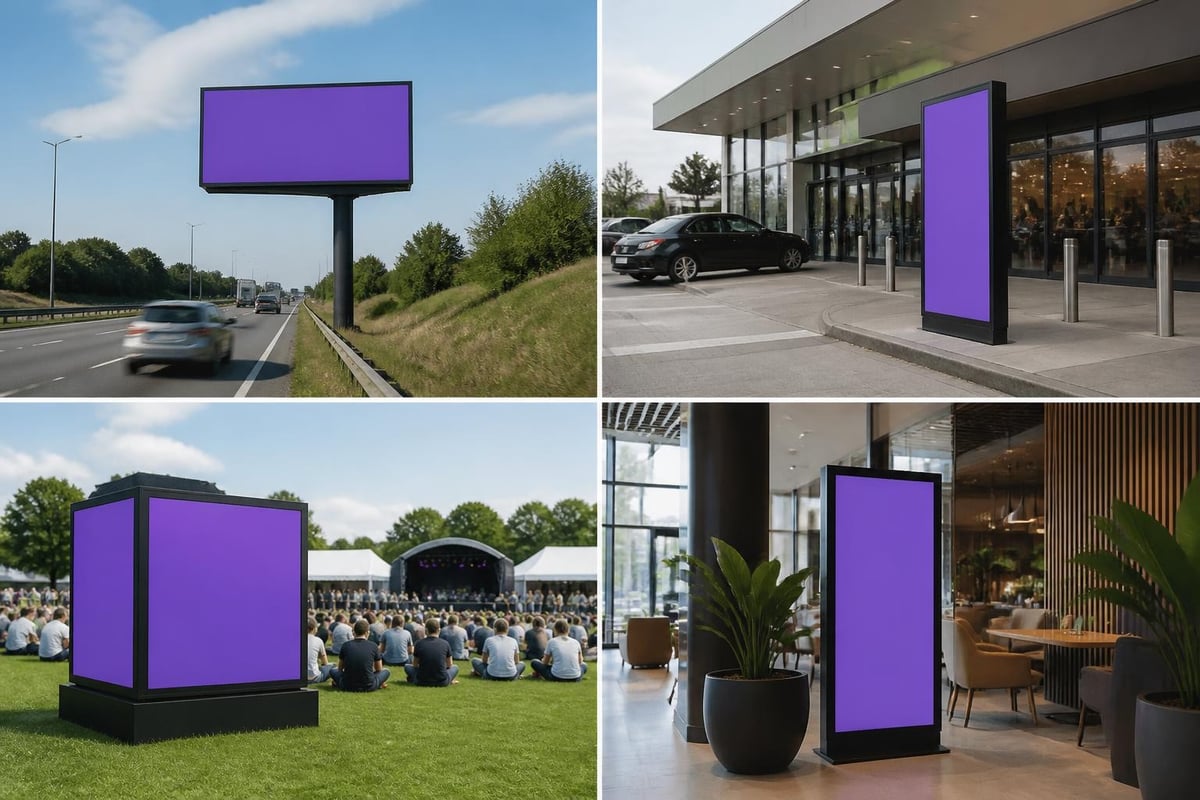
Progressive businesses incorporate digital signage solutions alongside traditional banners, creating dynamic messaging capabilities whilst maintaining the broad visibility that physical displays provide. This hybrid approach combines the always-on presence of static banners with the flexibility of programmable content.
Measuring Banner Performance and ROI
Quantifying the return on investment from banner installations requires both direct tracking mechanisms and broader brand awareness metrics.
Trackable Engagement Methods
Modern banners can incorporate multiple tracking elements that convert passive viewing into measurable interactions:
- Unique promotional codes printed on banners enable sales attribution
- Dedicated landing pages with banner-specific URLs track digital traffic
- QR codes provide detailed scan analytics including time, location, and device data
- Social media hashtags encourage user-generated content whilst building awareness
- Customer survey questions during purchase identify advertising touchpoints
Research examining the effectiveness of warning and informational banners in digital contexts offers insights applicable to physical banner performance, particularly regarding message clarity and call-to-action placement.
Location and Placement Optimization
Banner effectiveness correlates strongly with placement strategy. High-traffic locations naturally deliver greater impressions, but targeting precision matters equally. A banner promoting premium services positioned near luxury retailers may generate fewer total impressions than a busy intersection placement, yet deliver superior conversion rates through audience alignment.
| Placement Type | Typical Impressions | Engagement Rate | Best Applications |
|---|---|---|---|
| Highway/Major road | 10,000-50,000/day | Low (1-2%) | Brand awareness |
| Retail forecourt | 500-2,000/day | Medium (5-8%) | Promotions |
| Event venue | 1,000-5,000/day | High (10-15%) | Direct response |
| Indoor retail | 200-1,000/day | Very high (15-25%) | Point of purchase |
For businesses seeking enhanced visibility in controlled environments, lightbox signage offers illuminated alternatives that maintain visual impact during evening hours when traditional banners lose effectiveness. These backlit displays command attention in competitive retail environments whilst delivering the same messaging flexibility as conventional banners.

Maintenance and Lifecycle Management
Strategic maintenance extends banner lifespan and preserves professional appearance throughout the display period.
Cleaning and Environmental Protection
Regular cleaning schedules prevent dirt accumulation that degrades appearance and readability. Outdoor vinyl banners benefit from quarterly cleaning using mild detergent solutions and soft brushes, whilst fabric materials require more delicate treatment to avoid surface damage.
UV protection treatments applied during manufacturing slow colour fade in outdoor applications, but even premium materials experience gradual degradation under continuous sun exposure. Businesses in high-UV environments should plan replacement cycles of 18-24 months for critical brand-facing installations.
Storage and Reusability
Seasonal banners and event-specific displays require proper storage to maintain usability across multiple deployments. Climate-controlled storage prevents material degradation from temperature extremes and humidity, whilst proper folding techniques avoid permanent creasing that compromises visual quality.
- Clean thoroughly before storage to remove contaminants
- Store rolled rather than folded when possible to minimize creasing
- Maintain moderate temperature and low humidity conditions
- Keep away from direct sunlight during storage
- Document storage location and condition for inventory management
Regulatory and Accessibility Considerations
Banner installations must comply with local regulations whilst ensuring accessibility for all users.
Planning and Permit Requirements
Many jurisdictions require permits for outdoor banner installations, particularly those visible from public roadways or exceeding specified dimensions. Planning regulations vary significantly by location, with some authorities restricting banner content, placement duration, or maximum sizes.
Businesses should consult local authority guidelines before commissioning outdoor banner installations to ensure compliance and avoid enforcement action. Temporary event banners often receive more lenient treatment than permanent installations, though notification requirements may still apply.
Accessibility and Inclusive Design
The ARIA landmark guidance for web banners emphasizes the importance of clear information hierarchy and navigation, principles equally relevant to physical banner design. Accessible banners ensure readability for users with visual impairments through sufficient contrast, clear typography, and logical information structure.
Implementation guidance for accessible design highlights the need for consistent positioning and predictable layouts that enable users to locate and process information efficiently. Physical banners should follow similar principles, placing critical information in consistent locations and maintaining clear visual hierarchies.
Industry-Specific Applications and Case Studies
Different sectors leverage banners in distinctive ways that reflect industry-specific marketing challenges and customer engagement patterns.
Retail and Consumer Marketing
Retail environments employ banners for promotional campaigns, seasonal messaging, and wayfinding. Wall banners transform blank interior surfaces into brand storytelling opportunities whilst window graphics extend messaging to exterior-facing surfaces.
Fashion retailers typically refresh banner campaigns monthly to align with inventory rotation, whilst grocery and convenience stores maintain semi-permanent installations highlighting core value propositions supplemented by tactical promotional banners.
Corporate and B2B Applications
Corporate environments use banners for internal communications, safety messaging, and brand reinforcement throughout facilities. Reception areas benefit from branded banners that establish visual identity whilst conveying key organizational messages to visitors.
Manufacturing and industrial settings employ banners for safety protocols, process diagrams, and productivity messaging, with durable materials withstanding challenging environmental conditions including temperature extremes and exposure to industrial processes.
Events and Experiential Marketing
Trade shows, conferences, and sponsored events represent peak banner utilization scenarios where visual impact directly influences attendee engagement. Booth design strategies typically incorporate multiple banner types, with large-format backdrop banners establishing brand presence whilst smaller directional and informational banners guide visitor flow.
Gazebo structures combined with coordinated banners create comprehensive branded environments for outdoor events, providing both functional shelter and marketing presence. The most effective event banner strategies maintain visual consistency across all touchpoints whilst adapting messaging to specific engagement opportunities throughout the event journey.
Understanding the full spectrum of banner applications-from material selection and design principles to installation methods and performance measurement-enables businesses to deploy these versatile marketing tools with maximum strategic impact. Whether you're enhancing retail visibility, creating immersive event experiences, or strengthening corporate communications, Signshoponline delivers comprehensive banner solutions tailored to your specific requirements. With expertise spanning traditional vinyl displays, premium fabric installations, and innovative portable systems, professional guidance ensures your banner investments deliver measurable results that advance your marketing objectives.


