

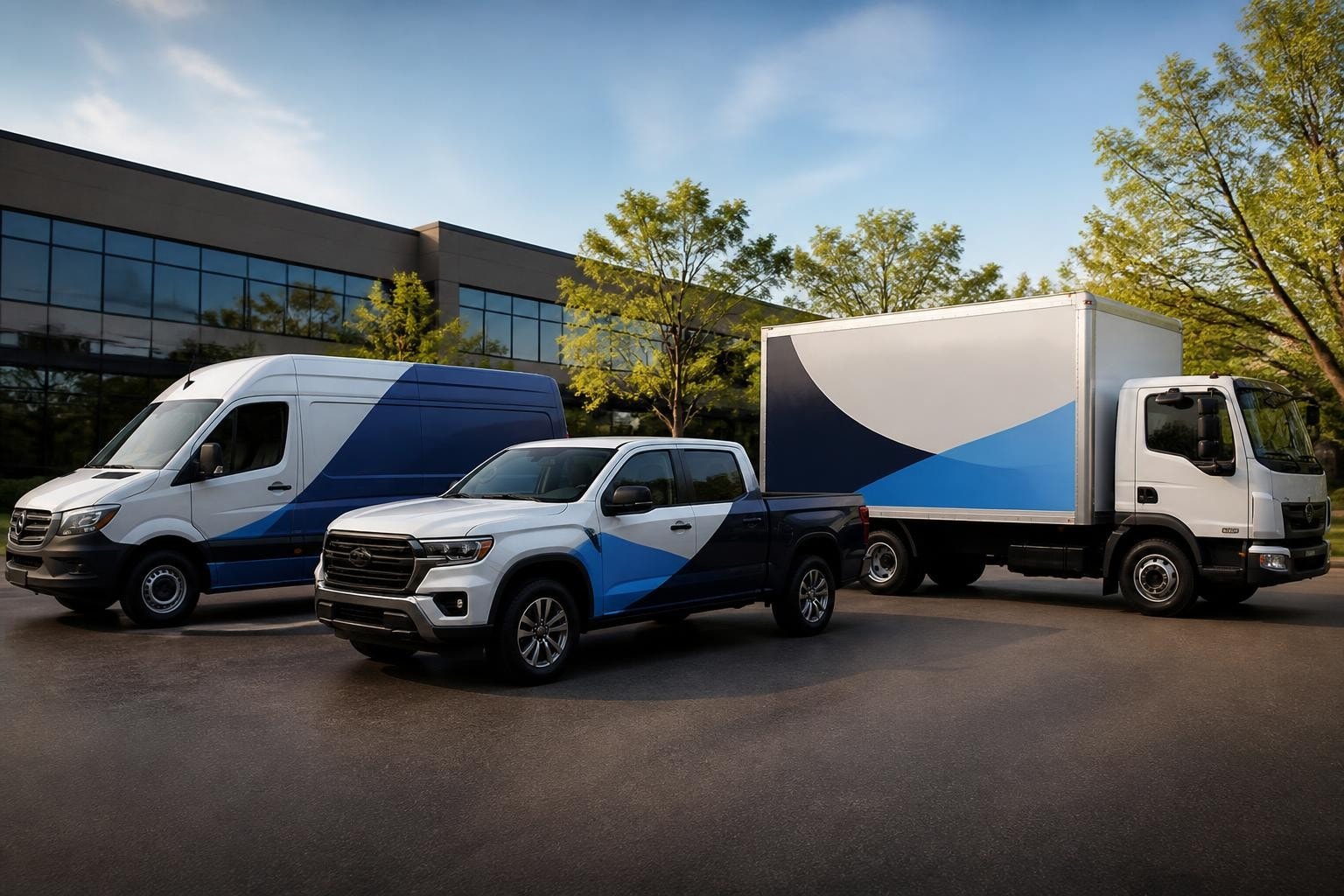
Mobile advertising has evolved dramatically over the past decade, yet one marketing channel continues to deliver exceptional return on investment whilst reaching diverse audiences: vehicle graphics. Branding on car surfaces transforms everyday transportation into powerful marketing assets that work around the clock. Whether you operate a single delivery van or manage an entire commercial fleet, strategic vehicle branding creates thousands of impressions daily, building brand recognition far beyond what static billboards can achieve. As the Outdoor Advertising Association of America's latest moving media guide demonstrates, dynamic and moving out-of-home advertising has become an essential component of integrated marketing strategies in 2026.
The Evolution of Vehicle Branding in Modern Marketing
Vehicle advertising has transitioned from simple magnetic signs to sophisticated, full-colour wrap installations that capture attention and communicate complex brand messages. The branding on car industry has matured alongside advances in vinyl technology, digital printing, and installation techniques.
Today's vehicle graphics deliver photographic quality whilst withstanding harsh weather conditions, UV exposure, and frequent washing. Modern cast vinyl materials conform to complex curves and contours, allowing designers to cover entire vehicles seamlessly.
The market has responded enthusiastically:
- Research indicates that 96% of consumers find vehicle advertising more noticeable than traditional billboards
- A single vehicle wrap generates between 30,000 to 70,000 daily impressions depending on location and route
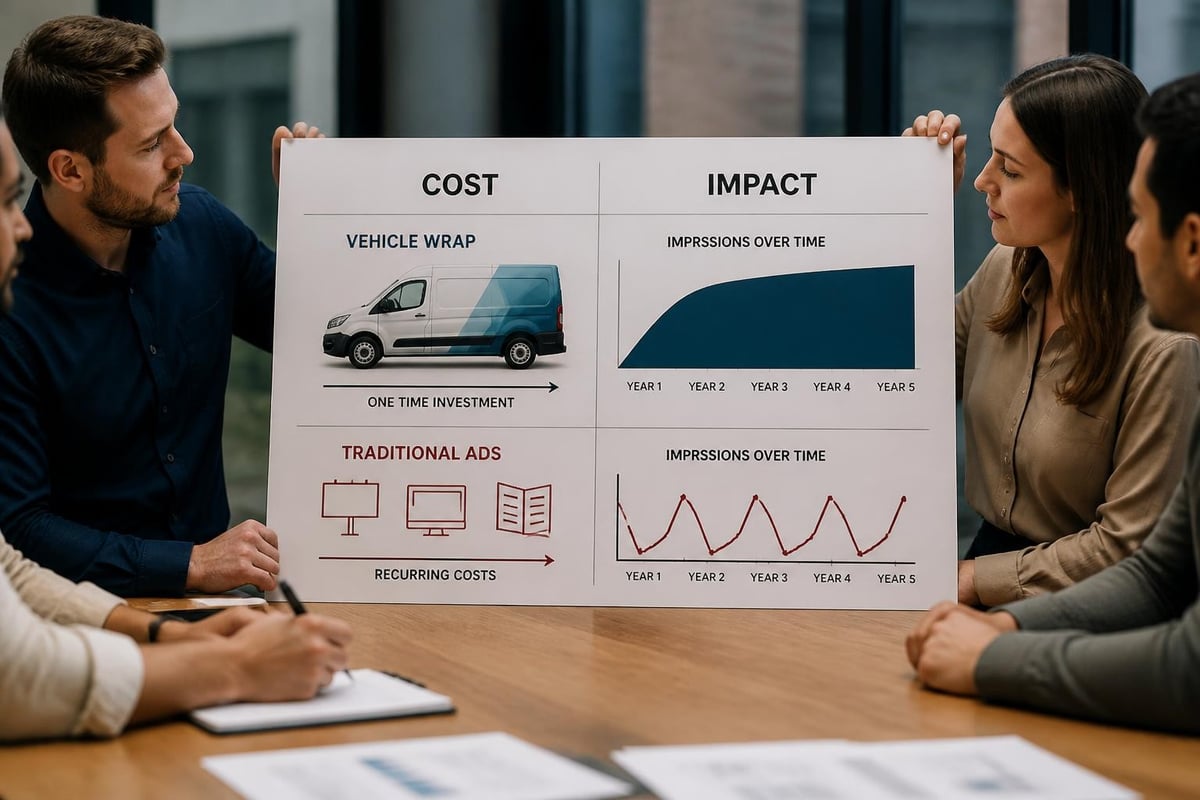
- Cost per thousand impressions (CPM) for vehicle branding averages significantly lower than radio, television, or print advertising
- Fleet graphics can operate for three to five years with proper maintenance
The measurement methodologies have also evolved. Geopath's dynamic fleet measurement framework now provides standardised approaches for calculating audience reach and frequency for moving vehicle inventory, giving marketers the data-driven insights they need to justify investment.
Understanding Your Branding on Car Options
Not every vehicle branding solution suits every business objective or budget. The spectrum ranges from simple decals to complete vehicle transformations.
Full wraps cover the entire vehicle surface, creating a rolling billboard that maximizes visual impact. These installations work exceptionally well for businesses seeking maximum brand presence or those wanting to rebrand older fleet vehicles with a fresh, uniform appearance.
Partial wraps strategically cover key vehicle surfaces such as doors, boot lids, and rear panels. This approach balances visibility with cost efficiency, often delivering 70% of the impact at 50% of the investment.
Spot graphics and decals provide the most economical entry point for branding on car applications. Contact details, logos, and simple messaging applied to door panels serve trades and service businesses effectively.
| Branding Type | Coverage | Typical Lifespan | Best For |
|---|---|---|---|
| Full Wrap | 100% vehicle surface | 4-5 years | Maximum impact, brand transformation |
| Partial Wrap | 40-70% coverage | 3-4 years | Cost-effective visibility |
| Spot Graphics | Strategic placement | 3-5 years | Contact info, professional presence |
| Magnetic Signs | Removable panels | 2-3 years | Flexibility, shared vehicles |
The International Sign Association's comprehensive vehicle wraps guide provides industry-standard considerations for production quality and application best practices.
Strategic Design Principles for Maximum Impact
Effective branding on car design requires balancing aesthetic appeal with readability at speed. Motorists typically have three to five seconds to absorb your message, demanding clarity and simplicity.
Legibility and Readability Requirements
Typography selection dramatically affects message retention. Bold, sans-serif fonts with substantial weight ensure readability from distance. Letter height should measure at least 75mm for text intended to be read from 15 metres away.
Contrast determines whether your branding succeeds or fades into visual noise. Dark text on light backgrounds or light text on dark backgrounds provides the clearest communication. Avoid trendy colour combinations that sacrifice readability for aesthetics.
Essential design elements include:
- Logo prominence - Your brand identifier should occupy 15-20% of the visible surface
- Contact information hierarchy - Phone numbers and websites need larger treatment than physical addresses
- Whitespace management - Resist filling every surface; breathing room enhances comprehension
- Directional flow - Design should guide eyes naturally from logo to message to contact details
- Vehicle architecture integration - Work with, not against, panel lines, handles, and trim
Safety research, including peer-reviewed studies on external driver distraction, suggests that static, professionally designed vehicle graphics do not significantly increase distraction risks when following established design guidelines. However, avoid animations, flashing elements, or content that mimics traffic control devices.

Brand Consistency Across Fleet Vehicles
Companies operating multiple vehicles face unique branding on car challenges. Consistency builds recognition, yet different vehicle sizes and configurations require adaptive design approaches.
Develop a comprehensive brand standards document that specifies:
- Approved colour formulas (Pantone, RGB, and CMYK values)
- Logo placement guidelines for various vehicle types
- Typography specifications with approved alternatives for space constraints
- Template layouts for vans, trucks, sedans, and utility vehicles
This systematic approach ensures that whether customers see your small van or large lorry, they immediately recognise your brand identity.
Installation Quality and Material Selection
Superior branding on car results depend equally on material quality and installer expertise. The vinyl industry has standardised around two primary categories: calendared and cast films.
Calendared vinyl suits flat surfaces and short-to-medium term applications. These economical films work well for fleet vehicles with three-year replacement cycles or partial wrap applications on flat panels.
Cast vinyl represents the professional standard for complete vehicle wraps. These premium films stretch and conform to complex curves without distortion, maintain colour stability throughout their lifespan, and remove cleanly when replacement time arrives.
Protection matters too. Laminate overlays shield printed graphics from UV degradation, chemical exposure, and minor abrasions. High-quality laminates extend graphic life by 40-50% whilst enhancing colour vibrancy.
Professional Installation Considerations
Proper installation separates mediocre vehicle graphics from exceptional branding on car results. Certified installers bring technical knowledge, specialized tools, and environment-controlled facilities to the process.
Temperature and humidity control prevents adhesive issues and ensures proper vinyl bonding. Professional facilities maintain consistent conditions throughout installation.
Surface preparation removes contaminants, wax, and oxidation that compromise adhesion. Installers may wet-sand older paint surfaces to create optimal bonding conditions.
Application technique eliminates air bubbles, prevents stretching distortion, and ensures seam alignment. Experienced installers use heat guns, squeegees, and specialty tools to achieve factory-quality results.
Warranties typically cover material defects and installation workmanship for 12-36 months. Request detailed warranty terms before committing to any provider.
Measuring Return on Investment
Quantifying branding on car effectiveness requires tracking both direct response mechanisms and broader brand awareness metrics.
Direct attribution works through unique phone numbers, custom landing pages, or promotional codes specific to vehicle campaigns. These trackable elements definitively link enquiries and sales to mobile advertising exposure.
Brand lift studies measure awareness changes over time through periodic surveys asking target audiences about brand recognition, message recall, and perception shifts.
The San Diego Loyal vehicle activation case study documented measurable increases in social media engagement and ticket sales directly correlated with wrapped vehicle deployment timing.
Calculating Cost Efficiency
Traditional CPM calculations provide useful benchmarks. A vehicle wrap costing £3,000 and generating 40,000 impressions monthly over 48 months delivers:
- Total impressions: 1,920,000
- CPM: £1.56 per thousand impressions
Compare this to typical CPM rates:
| Medium | Average CPM |
|---|---|
| Vehicle Wraps | £1.50 - £3.00 |
| Radio | £8.00 - £12.00 |
| Local Television | £20.00 - £35.00 |
| Print Newspapers | £10.00 - £25.00 |
| Digital Display | £3.00 - £8.00 |
The economics favour mobile advertising decisively, particularly for businesses with vehicles already operating in target markets.
Industry-Specific Applications
Different sectors leverage branding on car strategies uniquely, adapting approaches to business models and customer touchpoints.
Service and Trade Industries
Plumbers, electricians, HVAC specialists, and similar trades benefit enormously from vehicle branding. Service vans parked at job sites essentially provide billboard advertising whilst technicians work inside.
Smart messaging emphasizes emergency availability, licensing credentials, and service area coverage. Many successful service brands include customer testimonials or quality guarantees directly on vehicle graphics.
Delivery and Logistics Operations
E-commerce growth has multiplied delivery vehicle visibility. Companies like parcel services, meal kits, and grocery delivery platforms recognize every delivery represents a branding opportunity.
These organizations often implement tiered branding strategies: full wraps for primary markets, partial wraps for secondary territories, and magnetic signs for contracted drivers using personal vehicles.
Mobile Services and Food Vendors
Food trucks, mobile pet grooming, beauty services, and similar businesses rely entirely on vehicle presence for customer attraction. These applications typically feature menu boards, service offerings, and strong visual branding that functions as both transportation and shopfront.
The vehicles themselves become Instagram-worthy photo opportunities, generating organic social media amplification beyond their physical routes.
For businesses requiring standout visual presence, consider how fabricated 3D signage techniques can complement vehicle branding by creating dimensional logos and lettering that enhance visibility and premium brand positioning.
Corporate and Sales Fleets
Professional service firms, pharmaceutical representatives, and B2B sales teams maintain branded fleets that reinforce corporate identity during client visits. These applications typically feature sophisticated, understated designs reflecting corporate professionalism.
Consistency with other marketing materials matters critically for these audiences. Vehicle branding must align perfectly with business cards, proposal documents, and office signage.
Maintenance and Longevity Strategies
Proper care extends branding on car lifespan significantly whilst maintaining professional appearance.
Regular washing removes road grime, salt, and contaminants that degrade vinyl over time. Hand washing or touchless automatic systems work best; brush-type car washes may lift edges or damage seams.
Parking considerations matter more than many realize. Whenever possible, garage or covered parking protects graphics from UV exposure and extreme temperature fluctuations that accelerate deterioration.
Prompt damage repair prevents small issues from escalating. Lifted corners, small tears, or damaged sections should receive immediate professional attention before water infiltration causes larger problems.
Periodic inspection helps identify developing problems early. Quarterly walkarounds checking edges, seams, and high-wear areas enable proactive maintenance.
Removal and Replacement Cycles
Eventually, even premium vinyl requires replacement. Most professional installations remain effective for three to five years depending on climate, vehicle usage, and maintenance quality.
Professional removal prevents paint damage and adhesive residue. Attempting DIY removal often results in paint pulling, ghost images, or hours of adhesive cleanup.
Many businesses time replacements with:
- Fleet vehicle replacement schedules
- Brand refreshes or rebranding initiatives
- Expansion into new service territories
- Updated contact information or messaging
Legal and Regulatory Compliance
Branding on car applications must navigate various regulatory frameworks depending on jurisdiction and vehicle type.
Commercial vehicle regulations in many regions require specific information display including company name, registration numbers, and weight ratings. Ensure decorative wraps don't obscure legally mandated markings.
Window coverage restrictions typically limit how much rear and side window area can be covered, with most jurisdictions allowing perforated window film that maintains outward visibility whilst displaying graphics from outside.
Reflective materials face restrictions in some areas to prevent confusion with emergency vehicles. Consult local regulations before incorporating highly reflective or fluorescent colours.
Advertising content remains subject to general advertising standards. Claims must be substantiated, offers clearly stated, and professional standards maintained.
Emerging Technologies and Future Trends
The branding on car landscape continues evolving with technological advancement and changing mobility patterns.
Digital vehicle displays represent the frontier of mobile advertising. LED panels integrated into vehicle surfaces enable dynamic content changes, though regulatory frameworks remain under development in most markets.
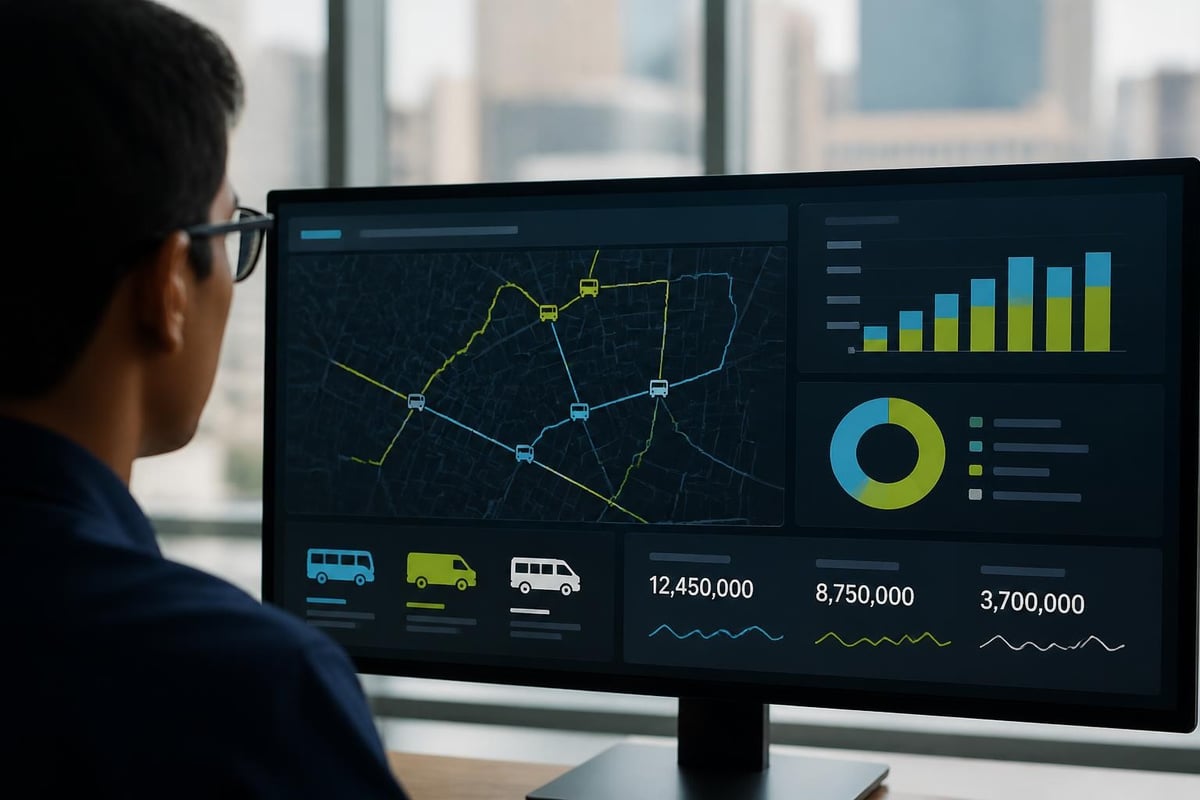
Fleet tracking integration allows businesses to correlate advertising exposure with GPS data, building sophisticated attribution models that connect specific routes and dwell times with customer acquisition.
Sustainable materials respond to environmental concerns. New vinyl formulations incorporate recycled content whilst maintaining performance standards, and removal processes increasingly focus on material reclamation.
Electric vehicle considerations introduce new design opportunities. EV branding often emphasizes environmental credentials whilst working with unique vehicle architectures that differ from traditional combustion vehicles.
The cycling industry offers interesting parallels to vehicle branding evolution. Just as CCN Sport applies precision sublimation techniques to create vibrant, durable custom cycling apparel that serves as mobile brand representation during events, vehicle branding similarly transforms moving objects into advertising platforms. Both industries prioritize design quality that withstands physical demands whilst maintaining visual impact.
Integration With Broader Marketing Strategies
Maximum branding on car effectiveness emerges when vehicle graphics function as one component within integrated marketing ecosystems.
Social media amplification encourages customers to photograph and share branded vehicles. Some companies run contests rewarding the best "spot our van" submissions, generating user-generated content and extended reach.
QR code integration bridges physical vehicle presence with digital engagement. Codes linking to landing pages, special offers, or video content transform passive viewing into active interaction.
Event activation deploys branded vehicles as focal points during trade shows, sponsorships, or community events. The vehicle serves dual purposes as transportation and exhibition space.
Cross-channel consistency ensures messaging, visual identity, and brand voice align across vehicle graphics, digital advertising, print materials, and physical premises. This coherence amplifies recognition and reinforces brand positioning.
Geographic targeting becomes more sophisticated when vehicle routes align with customer demographic concentrations. Service area mapping helps optimize which vehicles receive full wraps versus simpler graphics based on territory value.
Many successful campaigns coordinate vehicle branding with complementary signage solutions. For businesses seeking additional promotional tools, telescopic banners provide portable brand presence at events and locations where branded vehicles cannot access.
Supplier Selection and Partnership Criteria
Choosing the right branding on car provider significantly impacts results. Quality varies dramatically across the industry.
Portfolio evaluation reveals design capabilities and installation quality. Request case studies from businesses similar to yours, examining both initial installation photos and examples showing graphics after years of service.
Certification and training indicate professional commitment. Look for installers certified by vinyl manufacturers or industry associations demonstrating ongoing skill development.
Facility capabilities matter for large fleet projects. Climate-controlled installation bays, professional design software, and large-format printing equipment separate professional operations from garage-based alternatives.
Warranty terms protect your investment. Comprehensive warranties cover material defects, installation workmanship, and premature fading or adhesive failure.
Project management becomes critical for multi-vehicle deployments. Effective suppliers coordinate design approval, vehicle scheduling, installation timelines, and quality control without disrupting business operations.
Questions for Prospective Providers
- How many vehicle installations do you complete monthly?
- What vinyl brands do you typically specify and why?
- How do you handle design revisions and approval processes?
- What vehicle preparation steps do you consider essential?
- How do warranty claims get processed and resolved?
- Can you provide references from clients with similar requirements?
Maximizing Campaign Effectiveness
Strategic branding on car deployment requires more than attractive graphics and quality installation.
Route optimization ensures branded vehicles operate in areas with high target customer concentrations. Delivery companies might adjust routes to increase exposure in prospective service territories.
Driver training transforms employees into brand ambassadors. Courteous driving behaviour, vehicle cleanliness, and professional customer interactions multiply positive brand associations.
Photo documentation creates marketing assets beyond the vehicle itself. Professional photos of completed wraps provide content for websites, social media, and sales materials.
Seasonal messaging can be incorporated through removable vinyl elements that update holiday greetings, special promotions, or time-sensitive campaigns whilst maintaining core branding.
Competitive differentiation becomes easier with distinctive vehicle branding. In industries where multiple competitors operate similar vehicles, superior graphics create memorable distinction.
Research from the Insurance Institute for Highway Safety on driver distraction provides helpful context for responsible design decisions that prioritize road safety whilst achieving marketing objectives.
The strategic advantage of branding on car applications lies not in temporary campaign bursts but in cumulative exposure over months and years. Every journey, whether to client sites, supply warehouses, or simply home at day's end, generates impressions that build brand familiarity within your service area. This constant presence establishes trust and top-of-mind awareness that converts to enquiries when customers need your products or services.
Strategic branding on car transforms ordinary business vehicles into powerful marketing assets that generate impressions 24/7 whilst building brand recognition throughout your service territory. Whether you're launching your first vehicle graphic or refreshing an entire fleet, professional design and quality installation deliver measurable returns that justify the investment. Signshoponline brings extensive expertise in vehicle branding alongside comprehensive signage solutions, helping businesses across South Africa maximize their mobile advertising impact with designs that capture attention and drive results.


