


A light box represents one of the most versatile and effective tools in modern signage, combining illumination technology with graphic design to create compelling visual displays that capture attention day and night. Whether deployed as retail storefront signage, wayfinding systems in hospitals, menu boards in restaurants, or therapeutic devices in medical settings, the light box has evolved from simple backlit panels into sophisticated communication platforms that serve diverse industries. Understanding the construction, applications, and selection criteria for these illuminated systems enables businesses to leverage their full potential whilst ensuring durability, energy efficiency, and regulatory compliance.
Understanding Light Box Construction and Technology
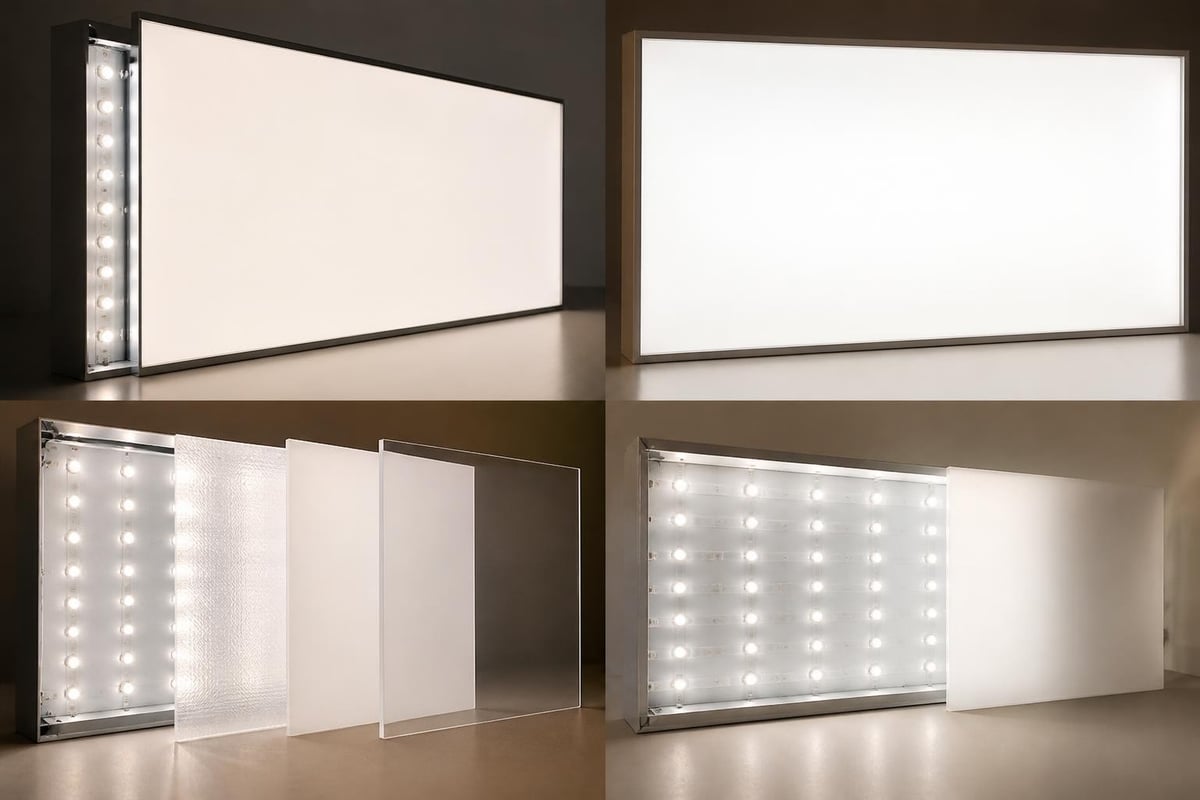
The fundamental design of a light box consists of a translucent front panel, an internal light source, and a rigid frame that houses the electrical components. Modern iterations have largely abandoned fluorescent tubes in favour of LED arrays, which offer superior energy efficiency, longer lifespans, and more consistent colour rendering. The light distribution system within the box determines whether the unit is classified as edge-lit or backlit, with each approach offering distinct advantages for specific applications.
Edge-Lit Systems
Edge-lit light boxes position LED strips along the perimeter of the panel, directing light through a specially designed acrylic sheet that distributes illumination across the surface. This configuration produces an exceptionally slim profile, typically ranging from 15mm to 40mm in depth, making edge-lit units ideal for applications where space is constrained or where a modern, minimalist aesthetic is desired.
Key advantages of edge-lit designs include:
- Minimal depth for flush mounting applications
- Reduced weight compared to traditional backlit systems
- Lower power consumption due to fewer LED modules
- Even illumination without visible hot spots
The light-guide technology in edge-lit systems relies on laser etching or printed dot patterns within the acrylic to scatter light uniformly. This sophisticated approach delivers consistent brightness across large panels whilst maintaining the sleek appearance that modern commercial environments demand.
Backlit Systems
Backlit light boxes employ LED modules distributed across the rear surface of the enclosure, projecting light directly through the graphic panel. This configuration typically requires greater depth (75mm to 150mm) but delivers higher brightness levels and superior colour saturation, particularly important for photographic graphics and vibrant brand colours. Technical guidance from 3M emphasises the importance of proper LED spacing and diffusion layers to eliminate hot spots and achieve uniform illumination.
| Feature | Edge-Lit | Backlit |
|---|---|---|
| Typical Depth | 15-40mm | 75-150mm |
| Brightness Output | Medium | High |
| Energy Efficiency | Excellent | Good |
| Best For | Indoor, space-limited | Outdoor, high-visibility |
| Graphic Changeability | Tool-required | Often tool-free |
Applications Across Industries
The adaptability of light box technology has enabled its adoption across remarkably diverse sectors, each leveraging the medium's capacity to combine information delivery with visual impact. Commercial applications remain the dominant use case, but therapeutic, archival, and creative industries have developed specialized variants tailored to their unique requirements.
Retail and Commercial Signage
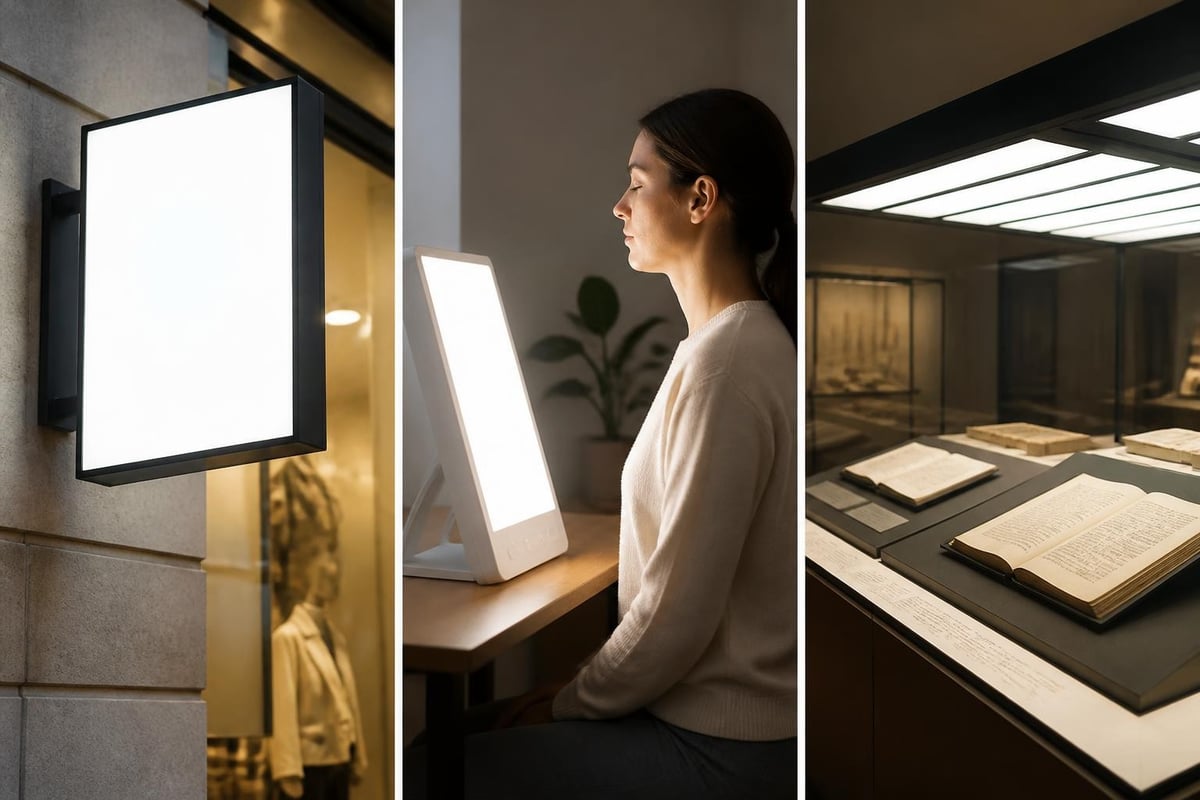
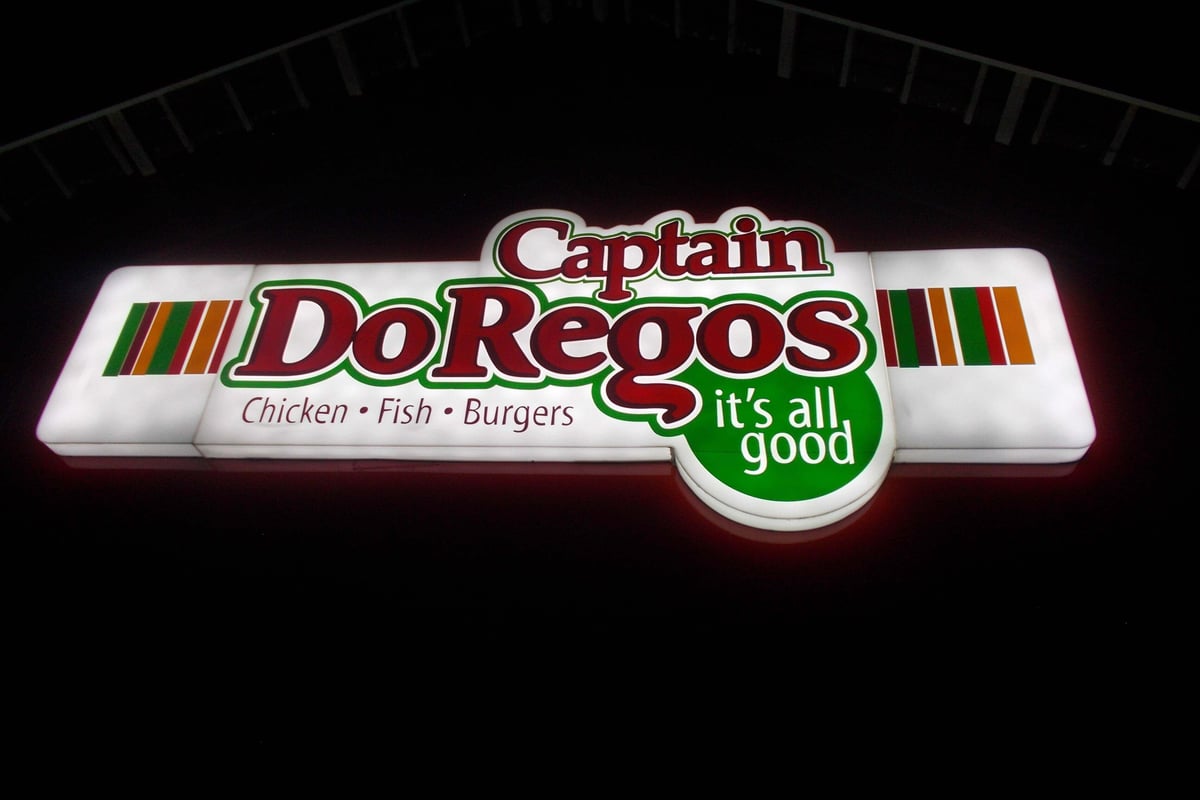
Shopfronts, shopping centres, and transit advertising represent the most visible deployment of light box technology. Illuminated fascia signs, window displays, and point-of-sale installations rely on the light box's ability to maintain visibility during evening hours whilst creating a premium brand perception. The transition to LED technology has proven particularly valuable in retail settings, where reduced energy costs and maintenance requirements translate directly to improved operational efficiency.
For businesses investing in outdoor light boxes, compliance with electrical sign safety standards becomes essential. The UL 48 standard addresses critical safety considerations including electrical insulation, weather resistance, and emergency disconnection requirements that protect both property and public safety.
When selecting a light box for commercial applications, consider whether your installation requires weatherproof enclosures, vandal-resistant materials, or specific IP (Ingress Protection) ratings. Exterior installations demand IP65 or higher ratings to prevent moisture ingress, whilst indoor applications may function adequately with lower protection levels.
Medical and Therapeutic Applications
The National Institute of Mental Health recognizes light boxes as an evidence-based treatment for Seasonal Affective Disorder (SAD), with clinical recommendations specifying 10,000 lux illumination at a comfortable viewing distance. Therapeutic light boxes differ substantially from commercial signage variants, prioritizing specific wavelengths, flicker-free operation, and UV filtration to ensure both efficacy and safety.
Medical-grade light boxes typically employ full-spectrum LEDs that mimic natural daylight whilst filtering harmful ultraviolet radiation. The timing and duration of exposure significantly impact therapeutic outcomes, with most protocols recommending 20-30 minutes of morning exposure for optimal circadian rhythm regulation.
Museum and Archival Display
Conservation professionals face a delicate balance when incorporating light boxes into exhibition design. Whilst backlighting can dramatically enhance the viewing experience of transparencies, stained glass, and certain artworks, light exposure accelerates deterioration of sensitive materials. Research published in Heritage Science provides authoritative guidance on microfading testing and light exposure thresholds that help curators make informed decisions about illuminated display systems.
Museums implementing light box displays for archival materials often specify custom LED arrays with precise colour temperature control and dimming capabilities. Some institutions employ time-based illumination protocols, activating displays only during visitor interaction to minimize cumulative light exposure whilst maintaining the visual impact that justifies the installation.
LED Technology and Performance Metrics
The wholesale industry shift from fluorescent to LED illumination has redefined light box capabilities, performance expectations, and lifecycle economics. Understanding the technical specifications that differentiate LED options enables informed procurement decisions that align with specific application requirements.
Colour Temperature and Rendering
LED colour temperature, measured in Kelvin (K), profoundly influences the viewer's perception of graphics and brand colours. Commercial signage typically employs LEDs in the 4,000K to 6,500K range, producing crisp, neutral-to-cool white light that enhances colour saturation and maintains visibility under diverse ambient lighting conditions. The U.S. Department of Energy's Solid-State Lighting programme tracks ongoing improvements in LED efficiency and colour quality that continue to expand application possibilities.
Colour Rendering Index (CRI) measures how accurately a light source reproduces colours compared to natural sunlight:
- CRI 80-85: Adequate for basic signage and wayfinding
- CRI 85-90: Suitable for retail displays and menu boards
- CRI 90-95: Recommended for colour-critical applications
- CRI 95+: Essential for art galleries and medical imaging
Higher CRI values ensure that product photography, brand colours, and graphic elements appear consistent with their intended appearance, preventing the colour shifts that can undermine brand identity or misrepresent merchandise.
Energy Efficiency and Operational Costs
LED technology delivers dramatic reductions in energy consumption compared to legacy fluorescent systems, typically achieving 50-70% energy savings whilst providing superior brightness. A typical 1200mm × 1800mm backlit light box might consume 80-120 watts with LED modules versus 200-300 watts with fluorescent tubes, translating to substantial savings across large-scale deployments.
Longevity represents another compelling economic advantage. Quality LED modules rated for 50,000-100,000 hours of operation can function continuously for 5-11 years before requiring replacement, compared to 10,000-15,000 hours for fluorescent alternatives. This extended lifespan reduces maintenance costs and operational disruption, particularly valuable for installations in difficult-to-access locations.
| Metric | LED Light Box | Fluorescent Light Box |
|---|---|---|
| Power Consumption | 80-120W | 200-300W |
| Typical Lifespan | 50,000-100,000 hrs | 10,000-15,000 hrs |
| Colour Stability | Excellent | Degrades over time |
| Warm-Up Time | Instant | 1-3 minutes |
| Maintenance Frequency | Every 5-11 years | Every 1-2 years |
Design Considerations for Maximum Impact
Creating effective light box signage requires careful attention to graphic design principles that account for the unique characteristics of illuminated media. Translucent materials, light transmission properties, and viewing distances all influence design decisions that determine whether your light box achieves its communication objectives.
Graphic Production Techniques
Professional light box graphics utilize specialized materials engineered for backlit or edge-lit illumination. Duratrans, backlit film, and translucent vinyl each offer distinct characteristics regarding colour density, light transmission, and durability. High-resolution printing at 720-1440 DPI ensures graphics remain crisp when viewed at close range, whilst appropriate colour management prevents oversaturation that can occur when illumination intensifies pigment appearance.
Design files for light box graphics require specific colour profiles that account for light transmission through the substrate. Colours often need adjustment from standard CMYK values to compensate for the brightening effect of backlighting, with saturated reds and blues particularly prone to appearing overly intense when illuminated.
Critical design specifications include:
- Resolution: Minimum 150 DPI at actual size; 300 DPI preferred for close viewing
- Colour mode: CMYK with backlit media profile
- Bleed: Extend graphics 25-50mm beyond trim to accommodate frame overlap
- Text size: Minimum 50mm height for readability at 5 metres viewing distance
Frame Materials and Finishes
The visible frame surrounding a light box significantly impacts its aesthetic integration within architectural environments. Aluminium extrusions offer the optimal combination of strength, light weight, and corrosion resistance, with profiles available in depths suited to both edge-lit and backlit configurations. Powder-coated finishes in RAL colours enable precise matching to corporate colour schemes or architectural elements.
For businesses seeking premium illuminated signage solutions, Lightbox Signage offers customizable options including Mae-West curved profiles and crisp acrylic returns, both manufactured to specification with professional-grade LED modules and weather-resistant construction suitable for demanding commercial environments.
Snap-frame designs facilitate graphic changes without tools, making them ideal for environments with regularly updated content such as cinemas, restaurants, and retail promotions. The frame's face width (typically 25-50mm) creates a visual border that should be considered during graphic design to ensure important content remains visible outside the frame overlap zone.
Installation and Safety Requirements
Professional installation ensures light box systems operate safely whilst maximizing their visual impact and longevity. Wall-mounted units require secure fixings appropriate to the substrate material and the sign's weight, with consideration for wind loading in exterior applications. Electrical connections must comply with local regulations, typically requiring installation by qualified electricians for mains-powered systems.
NIST measurement standards for solid-state lighting provide authoritative guidance on photometric testing that validates manufacturer performance claims. These standardized testing protocols enable meaningful comparison between products and ensure specified brightness levels are achievable under real-world operating conditions.
Maintenance protocols should address both the electrical system and the graphic panels. LED drivers represent the component most likely to require replacement during the light box's operational life, and specifying systems with accessible, standardized drivers simplifies future servicing. Regular cleaning of both the illuminated surface and any ventilation openings prevents heat build-up and maintains optimal light transmission.
Selecting the Right Light Box for Your Application
Matching light box specifications to application requirements involves evaluating numerous factors including viewing distance, ambient lighting conditions, environmental exposure, and content update frequency. A systematic approach to specification ensures the selected system delivers the performance, durability, and aesthetic qualities your project demands.
Indoor Versus Outdoor Specifications
Indoor light boxes benefit from controlled environmental conditions that enable lighter construction, lower IP ratings, and less robust weatherproofing. These installations can prioritize slim profiles and refined aesthetics without the structural reinforcement required for exterior applications. Conversely, outdoor light boxes must withstand temperature extremes, moisture ingress, UV exposure, and potential impact, necessitating robust enclosures, sealed electrical compartments, and UV-stable materials.
Indoor light box priorities:
- Aesthetic integration with interior design
- Slim profiles for space-constrained locations
- Tool-free graphic access for frequent updates
- Lower IP ratings (IP20-IP44)
Outdoor light box requirements:
- Weatherproof seals (IP65 or higher)
- UV-resistant materials and graphics
- Structural integrity for wind loading
- Corrosion-resistant electrical components
Size and Proportion Guidelines
Light box dimensions should reflect viewing distances and information hierarchy. Larger formats suit high-traffic areas with distant viewing, whilst compact sizes function effectively in close-proximity applications such as menu boards or directional signage. Standard modular sizes (600mm × 900mm, 1200mm × 1800mm) often provide cost advantages over custom dimensions, though bespoke fabrication enables optimal integration with specific architectural features.
Aspect ratio influences visual impact and content layout. Portrait orientation (vertical) naturally suits directional signs and branded installations, whilst landscape formats accommodate menu boards, wayfinding systems, and promotional graphics. Square formats offer versatility for both orientations and create striking visual elements in contemporary architectural settings.
Future Developments in Light Box Technology
Emerging technologies continue to expand the capabilities and applications of illuminated signage systems. Digital integration, smart controls, and advanced materials promise to transform traditional static light boxes into dynamic communication platforms that respond to environmental conditions, user interaction, and content management systems.
Smart LED systems with integrated sensors can automatically adjust brightness based on ambient light levels, optimizing visibility whilst minimizing energy consumption. These adaptive systems maintain legibility in bright daylight without excessive output during evening hours, extending LED lifespan whilst reducing operational costs. Integration with building management systems enables centralized control across multiple installations, scheduling illumination patterns aligned with operating hours and occupancy.
Dynamic light boxes incorporating thin LED display panels blur the boundary between static signage and digital screens, enabling content updates via network connectivity whilst maintaining the slim profiles and energy efficiency associated with traditional light box construction. These hybrid systems combine the static graphic's high-resolution quality with digital content's flexibility, creating opportunities for time-sensitive messaging, sequential promotions, and responsive wayfinding systems.
Sustainable materials and circular economy principles increasingly influence light box manufacturing. Recyclable aluminium frames, LED modules designed for easy replacement rather than disposal, and graphic substrates produced from recycled content align with corporate sustainability commitments whilst potentially qualifying for green building certification credits. Manufacturers are developing modular systems that facilitate component-level replacement, extending system lifecycles and reducing waste.
Light box technology continues to evolve whilst maintaining its fundamental value proposition: combining effective visual communication with reliable illumination that extends message visibility beyond daylight hours. Whether you require eye-catching retail signage, professional wayfinding systems, or specialized display solutions, selecting appropriate materials, LED specifications, and construction methods ensures your investment delivers lasting performance. Signshoponline brings extensive expertise in custom light box fabrication, offering tailored solutions from concept through installation that meet the exacting standards modern commercial environments demand.


