

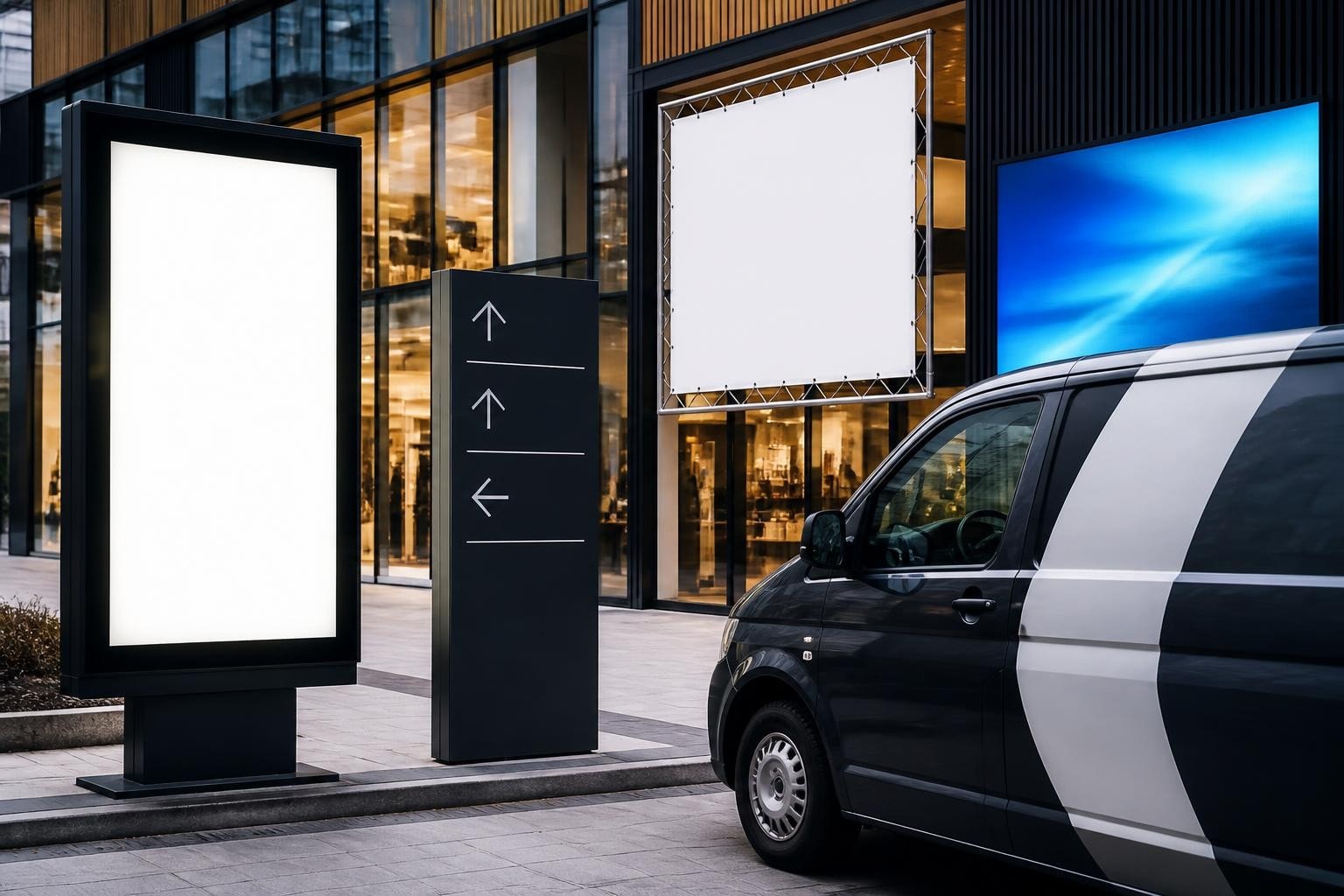
The modern business landscape demands effective visual communication, and signage products have evolved to meet increasingly sophisticated requirements. From traditional printed banners to cutting-edge digital displays, the range of available options enables organisations to capture attention, convey information, and strengthen brand presence across diverse environments. Understanding the breadth of signage products available, their specific applications, and how to select appropriate solutions has become essential knowledge for businesses seeking to maximise their visual impact.
Understanding the Core Categories of Signage Products
Signage products encompass a remarkably diverse spectrum of solutions, each designed to address specific communication needs and environmental contexts. The primary categories include illuminated signage, non-illuminated displays, digital solutions, wayfinding systems, and promotional materials. Each category serves distinct purposes whilst often complementing other elements within an integrated visual strategy.
Illuminated Signage Solutions
Illuminated signage products deliver exceptional visibility during evening hours and in low-light conditions, making them indispensable for businesses operating beyond daylight hours. These solutions typically incorporate LED technology, fluorescent lighting, or neon elements to ensure consistent visibility regardless of ambient conditions.
Key illuminated signage types include:
- Lightbox displays with internal LED illumination
- Channel letters featuring individual letter lighting
- Pylon signs with integrated lighting systems
- Neon and LED neon flex signage
- Backlit fabric displays
The UL 48 certification programme provides crucial safety standards for electric signs, ensuring that illuminated signage products meet rigorous testing requirements. Compliance with these standards protects both businesses and consumers whilst ensuring reliable, long-term performance.
Non-Illuminated Display Options
Non-illuminated signage products remain highly relevant for daytime visibility, indoor applications, and environments where electrical connections prove impractical. These solutions rely on strategic placement, material selection, and design excellence to achieve visual impact without artificial lighting.
Common non-illuminated products include printed panels, vinyl graphics, dimensional lettering, and decorative elements. Material choices range from durable outdoor substrates like aluminium composite panels to elegant indoor options such as brushed metals, acrylics, and wood composites.
Material Selection and Durability Considerations
The performance and longevity of signage products depend fundamentally upon appropriate material selection for specific environmental conditions. Outdoor installations face challenges including UV exposure, temperature fluctuations, precipitation, and wind loading that indoor products never encounter.
| Material Type | Primary Applications | Durability Rating | Weather Resistance |
|---|---|---|---|
| Aluminium Composite | Outdoor panels, building signage | Excellent | High |
| Acrylic | Indoor displays, lightboxes | Very Good | Medium |
| Vinyl | Vehicle graphics, temporary displays | Good | Medium-High |
| Fabric | Banner stands, tension displays | Good | Low-Medium |
| Polycarbonate | Impact-prone areas, security | Excellent | High |
Substrate selection directly influences print quality, installation requirements, and maintenance intervals. The Specialty Graphics and Imaging Association resources provide comprehensive guidance on printing technologies and material compatibility, helping businesses make informed decisions about production methods.
Environmental Factors and Product Lifespan
Coastal environments introduce salt spray considerations, whilst urban settings may expose signage products to pollutants and vandalism risks. Desert climates accelerate UV degradation, and tropical regions demand enhanced moisture resistance. Matching material specifications to local environmental conditions ensures optimal return on investment.
Premium coatings and laminates significantly extend product lifespan. UV-protective laminates prevent colour fading, anti-graffiti coatings facilitate cleaning, and specialised finishes can enhance scratch resistance or reduce glare. These protective measures typically add 15-30% to initial costs but often double or triple usable product life.
Digital Signage Products and Technology Integration
Digital signage products represent the fastest-growing segment within the industry, offering unprecedented flexibility for content updates and dynamic messaging. These solutions range from simple single-screen displays to sophisticated networked systems managing hundreds of locations simultaneously.
Types of Digital Display Solutions
Digital signage encompasses various technologies, each suited to particular applications and viewing distances. LED video walls deliver exceptional brightness for outdoor installations and large venues, whilst LCD and OLED screens provide superior image quality for close-range viewing in retail and corporate settings.
Digital signage product categories:
- Outdoor-rated high-brightness displays
- Interactive touchscreen kiosks
- LED video walls and modules
- Menu boards and price displays
- Wayfinding and directory systems
- Window-facing transparent displays
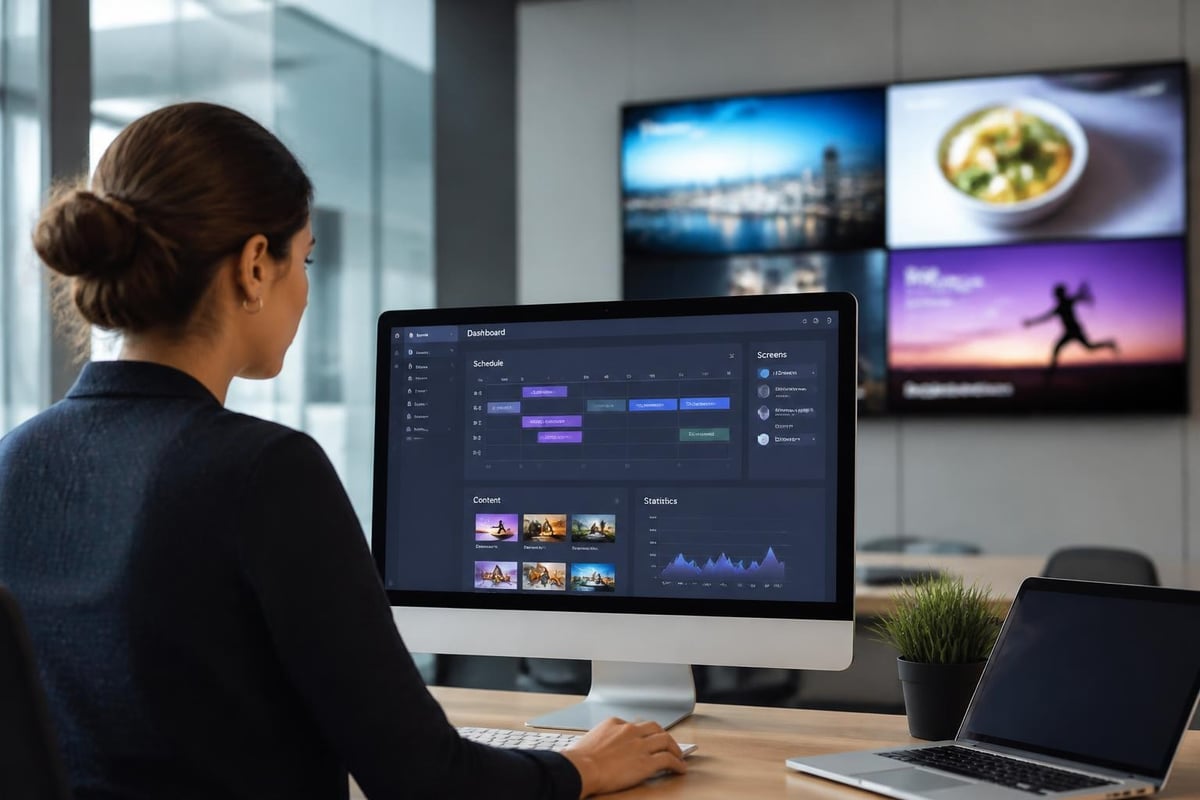
Content management systems form the operational backbone of digital signage products, enabling remote updates, scheduling, and performance monitoring. Cloud-based platforms now dominate the market, offering subscription models that reduce upfront investment whilst providing regular feature updates and security patches.
Wayfinding and Directional Signage Products
Effective wayfinding systems comprise multiple signage products working cohesively to guide visitors through complex environments. Healthcare facilities, educational campuses, shopping centres, and transport hubs all depend upon carefully planned directional systems that reduce confusion and enhance user experience.
The Sign Research Foundation provides evidence-based guidance on legibility, viewing distances, and information hierarchy that inform professional wayfinding design. Their research demonstrates that well-designed wayfinding reduces stress, improves navigation efficiency, and enhances overall satisfaction with built environments.
Compliance and Accessibility Standards
Wayfinding signage products must frequently comply with accessibility regulations, particularly in public buildings and spaces. The 2010 ADA Standards for Accessible Design specify exact requirements for tactile characters, Braille translation, mounting heights, and visual contrast ratios.
ADA-compliant signage requirements include:
- Raised characters between 16mm and 51mm height
- Grade 2 Braille positioned below visual text
- Non-glare matte or eggshell finishes
- Mounting height between 1220mm and 1525mm centreline
- 70% minimum contrast between text and background
Compliance ensures inclusivity whilst also protecting organisations from potential legal challenges. Signage products designed with accessibility as a core consideration serve all users more effectively, not merely those with specific accessibility needs.
Promotional and Temporary Display Solutions
Promotional signage products serve marketing objectives through portable, temporary, or seasonal installations. These solutions prioritise ease of transport, rapid deployment, and storage efficiency alongside visual impact.
Teardrop banners, A-frame boards, roller banners, and tension fabric displays represent popular promotional options. Modern designs incorporate tool-free assembly, lightweight materials, and compact storage dimensions that simplify logistics for businesses participating in multiple events or rotating seasonal messaging.
| Product Type | Setup Time | Portability | Typical Lifespan | Best Applications |
|---|---|---|---|---|
| Teardrop Banner | 2-5 minutes | Excellent | 2-3 years | Outdoor events, forecourts |
| Roller Banner | 1-2 minutes | Excellent | 3-5 years | Indoor exhibitions, receptions |
| Pop-up Display | 10-15 minutes | Good | 5-7 years | Trade shows, conferences |
| A-frame Board | 1 minute | Very Good | 3-5 years | Pavement advertising, entrances |
Graphics and Message Optimisation
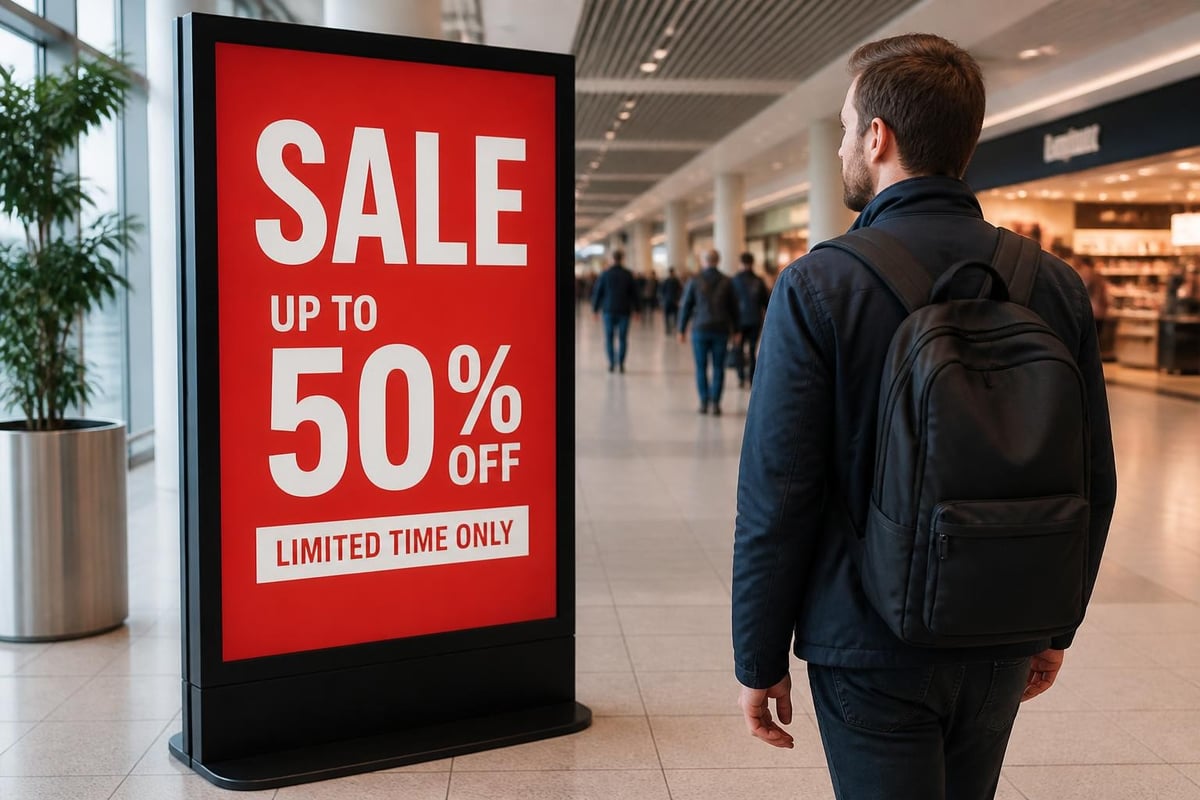
Promotional signage products demand concise messaging and bold graphics that communicate effectively within brief viewing windows. Research indicates average dwell times of 3-7 seconds for promotional displays, necessitating designs that convey key information almost instantaneously.
High-resolution digital printing enables photographic quality reproduction across virtually any substrate, whilst advances in dye-sublimation technology produce vibrant, long-lasting graphics on fabric media. Colour management systems ensure brand consistency across different materials and production methods, maintaining visual coherence throughout diverse signage products.
Vehicle Branding and Fleet Graphics
Vehicle wraps and fleet graphics transform commercial vehicles into mobile advertising platforms, extending brand visibility far beyond fixed locations. These specialised signage products utilise cast vinyl films engineered to conform to complex curves whilst withstanding the unique stresses of vehicular applications.
Full wraps provide maximum impact and design flexibility, whilst partial wraps and decal applications offer cost-effective alternatives for budget-conscious organisations. Material selection proves crucial, with premium cast vinyls offering superior conformability and longevity compared to calendared alternatives.
Professional installation ensures proper adhesion, eliminates air bubbles, and achieves seamless joins that maintain appearance throughout the graphics' lifespan. Surface preparation, environmental conditions during application, and post-installation care all influence final results and durability.
Fabricated and Dimensional Lettering
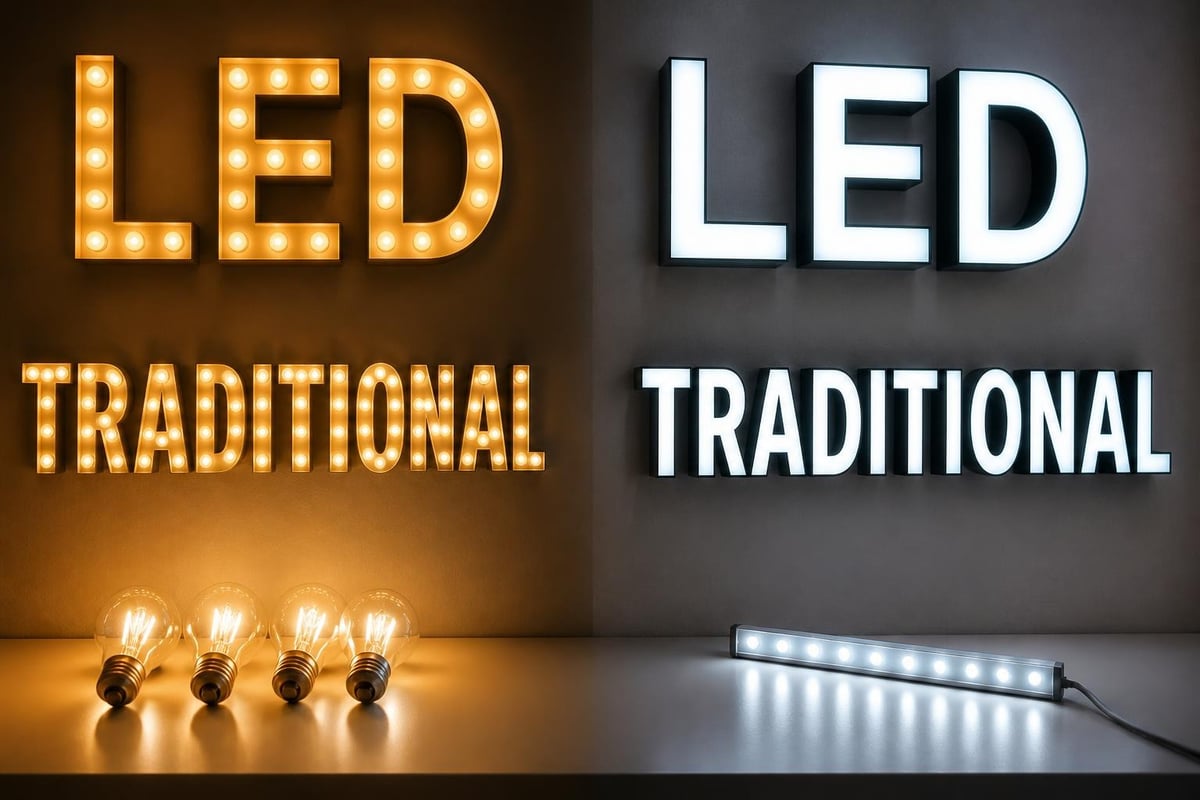
Three-dimensional signage products create visual depth and premium brand presentation that flat graphics cannot match. Fabricated 3D signage includes channel letters, built-up lettering, and architectural elements manufactured from metals, acrylics, or composite materials. These dimensional signs deliver exceptional impact, particularly when combined with strategic lighting to emphasise depth and create dramatic shadow effects. Individual illuminated letters offer superior legibility compared to traditional lightbox signs whilst providing greater design freedom and contemporary aesthetics.
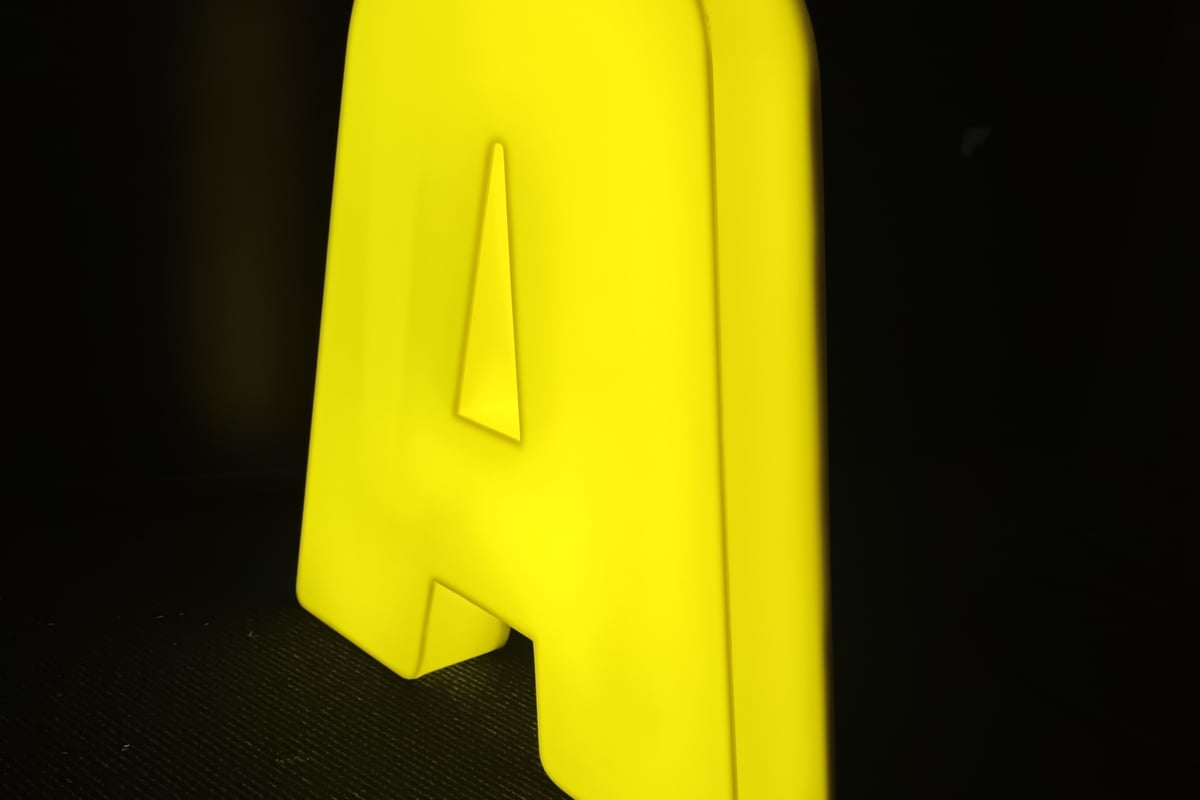
Metal fabrication techniques enable creation of letters ranging from compact 50mm heights to monumental installations exceeding 2 metres. Aluminium remains the preferred substrate for most applications due to its favourable strength-to-weight ratio, weather resistance, and fabrication ease. Stainless steel and brass find application where premium aesthetics or specific environmental demands justify their higher costs.
Installation Considerations and Site Surveys
Successful signage product deployment requires thorough site assessment addressing structural support, electrical requirements, access constraints, and regulatory compliance. Professional site surveys identify potential challenges before fabrication begins, preventing costly modifications or delays during installation.
Critical survey considerations include:
- Substrate composition and load-bearing capacity
- Electrical infrastructure and circuit availability
- Access restrictions and equipment requirements
- Planning permissions and building regulations
- Visibility factors and sightline analysis
- Maintenance access provisions
The International Sign Association offers comprehensive guidance on installation best practices, permitting processes, and industry standards that inform professional project planning. Their resources help businesses navigate complex regulatory environments whilst ensuring safe, compliant installations.
Maintenance and Lifecycle Management
Planned maintenance extends signage product lifespan whilst ensuring consistent brand presentation. Cleaning schedules, lamp replacement programmes, and periodic inspections prevent minor issues escalating into major failures requiring complete replacement.
Digital displays require software updates, content management, and occasional hardware servicing. Illuminated signs demand regular lamp inspection and timely replacement before failures occur. Even non-illuminated products benefit from periodic cleaning and minor repairs that preserve appearance and prevent accelerated deterioration.
Material Innovations and Sustainability Trends
Contemporary signage products increasingly incorporate sustainable materials and production methods responding to environmental concerns and corporate responsibility objectives. Recyclable substrates, water-based inks, and LED lighting represent standard specifications rather than premium options across much of the industry.
Biodegradable banner materials now offer viable alternatives for temporary installations, decomposing safely after disposal rather than persisting indefinitely in landfills. Reclaimed wood, recycled metals, and bio-based plastics provide sustainable substrate options that maintain durability and aesthetic appeal.
Energy efficiency considerations extend beyond obvious applications like illuminated signs. Digital displays now feature ambient light sensors that adjust brightness automatically, reducing power consumption during daylight hours whilst maintaining optimal visibility. Solar-powered solutions eliminate electrical infrastructure requirements for remote installations, expanding viable deployment locations.
Customisation and Brand Expression
Modern manufacturing capabilities enable virtually unlimited customisation across signage products, allowing precise brand expression regardless of aesthetic preferences or technical requirements. Computer-aided design software, CNC routing, laser cutting, and digital printing combine to produce bespoke solutions at costs approaching mass-produced alternatives.
Colour matching systems ensure accurate reproduction of corporate palettes across diverse materials and production methods. Pantone references, RAL codes, and custom colour formulations maintain brand consistency whether producing illuminated channel letters, printed banners, or vehicle graphics.
Finishing options multiply design possibilities. Brushed, polished, or powder-coated metals offer varied aesthetics. Acrylic edges can be diamond-polished to crystal clarity or left matte for different effects. Specialty films create metallic, holographic, or textured appearances that distinguish brands through tactile and visual differentiation.
Regulatory Compliance and Permitting
Signage products frequently require planning permission, building consent, or regulatory approval before installation. Requirements vary dramatically between jurisdictions, encompassing size restrictions, illumination controls, setback distances, and aesthetic guidelines.
Heritage areas often impose stringent controls preserving architectural character. Conservation zones may prohibit illuminated signage entirely or mandate specific materials and colours. Understanding applicable regulations during design phases prevents expensive redesigns or rejected applications.
Professional signage suppliers maintain current knowledge of local regulations and established relationships with planning authorities that facilitate approval processes. Early consultation with planning departments often identifies potential concerns before significant design investment occurs, enabling adjustments that satisfy both regulatory requirements and business objectives.
Selecting appropriate signage products requires careful consideration of application requirements, environmental conditions, regulatory frameworks, and budget constraints. Whether you need eye-catching promotional displays, durable exterior signage, or sophisticated digital solutions, Signshoponline delivers comprehensive expertise across the full spectrum of signage products. From initial consultation through design, manufacture, and installation, their experienced team ensures your visual communication achieves maximum impact whilst meeting all technical and regulatory requirements.


